Buy roadstoculture.eu ?
We are moving the project
roadstoculture.eu .
Are you interested in purchasing the domain
roadstoculture.eu ?
domain@kv-gmbh.de · 0541-91531010
Buy roadstoculture.eu ?
'Genitive or accusative?'
The genitive case is used to show possession or relationship between nouns, while the accusative case is used to show the direct object of a verb. In general, the genitive case is used to indicate ownership or association, while the accusative case is used to indicate the direct object of a verb or the object of a preposition. The choice between genitive and accusative depends on the specific context and the grammatical rules of the language being used. **
Dative or accusative?
Dative and accusative are two different cases in grammar that indicate the relationship between a verb and its object. The dative case is used to show the indirect object of a verb, while the accusative case is used to show the direct object. To determine whether to use dative or accusative, you need to consider the verb in the sentence and identify whether the object is receiving the action directly (accusative) or indirectly (dative). **
Similar search terms for Accusative
Top-Angebote
Products related to Accusative:
-
William Morris Arts & Crafts Marigold Set of 3 Square CaddiesIntroducing the Arts & Crafts William Morris Marigold Set of 3 Square Caddies, ideal for adding a touch of charm to your home while keeping your space organised. This delightful set features a beautiful marigold design, making them not only functional but also a stylish addition to your decor. Perfect for storing a variety of items, these caddies help you declutter and maintain a tidy environment. Dimensions: 10.5(H) x 10.5(W) x 10.5(L)cm.22,50 £*Shipping: 3,50 £Secure redirect to the provider
-
William Morris Arts & Crafts Marigold Set of 3 Round Cake TinsDiscover the Arts & Crafts William Morris Marigold Set of 3 Round Cake Tins, perfect for your baking adventures and stylish storage solutions. These tins not only keep your cakes fresh but also add a touch of elegance to your kitchen. With a beautiful marigold design, these cake tins are ideal for both baking and showcasing your creations. Their sturdy construction ensures they can be used time and again, making them a practical choice for any baking enthusiast. Care instructions: Hand wash only.Dimensions: Small - 10.5(H) x 19.2(dia) cm, Medium - 12(H) x 22.3(dia) cm, Large - 15(H) x 25(dia) cm.40,50 £*Shipping: 3,50 £Secure redirect to the provider
-
William Morris Arts & Crafts Strawberry Thief Set of 3 Square CaddiesIntroducing the Arts & Crafts William Morris Strawberry Thief Set of 3 Square Caddies, a charming addition to your home that effortlessly combines style and functionality. These delightful caddies are perfect for storing your favourite treats or crafting supplies, helping you keep your space organised and beautiful. The stunning strawberry thief design adds a touch of elegance to any room, making these caddies not just practical but also a lovely decorative piece. Ideal for those who appreciate both art and utility, they are perfect for anyone looking to enhance their storage solutions with a stylish flair. Dimensions: 10.5(H) x 10.5(W) x 10.5(L)cm.22,50 £*Shipping: 3,50 £Secure redirect to the provider


-
Genitive or accusative?
The genitive case is used to show possession or relationship between nouns, while the accusative case is used to show the direct object of a verb or the object of certain prepositions. In general, the genitive case is used to indicate possession or belonging, while the accusative case is used to indicate the direct object of a verb or the object of a preposition. The choice between genitive and accusative depends on the specific context and the grammatical rules of the language being used. **
-
Whom or what accusative?
The accusative case is used to indicate the direct object of a verb in a sentence. It answers the question "whom" or "what" is receiving the action of the verb. In English, the accusative case is often marked by word order or prepositions, while in some languages, such as Latin or German, it is marked by changes in the form of the noun or pronoun. **
-
Tolerate dative or accusative?
Whether to use the dative or accusative case in German depends on the verb being used and the prepositions that accompany it. Some verbs require the dative case, such as helfen (to help) or danken (to thank), while others require the accusative case, such as sehen (to see) or essen (to eat). It is important to learn which case each verb requires in order to use the correct form in a sentence. **
-
What is a subject accusative?
A subject accusative is a linguistic phenomenon where the direct object of a verb is marked with the accusative case, typically in languages that have a nominative-accusative alignment. This can occur in languages like Latin or Greek, where the accusative case is used to mark the direct object of a transitive verb. In these cases, the subject of the sentence is in the nominative case, while the direct object takes the accusative case. **

Nominative or accusative in Latin?
In Latin, the nominative case is used for the subject of a sentence, while the accusative case is used for the direct object. The nominative case is also used for predicate nominatives, which rename the subject. The accusative case is used for nouns that receive the action of the verb. **
What is the difference between accusative and accusative object, and dative and dative object?
The accusative case is used to indicate the direct object of a verb, while the accusative object is the noun or pronoun that receives the action of the verb. For example, in the sentence "I see the dog," "the dog" is in the accusative case and is the accusative object. Similarly, the dative case is used to indicate the indirect object of a verb, while the dative object is the noun or pronoun that receives the action indirectly. For example, in the sentence "I give the book to her," "her" is in the dative case and is the dative object. **
Top-Angebote
Products related to Accusative:
-
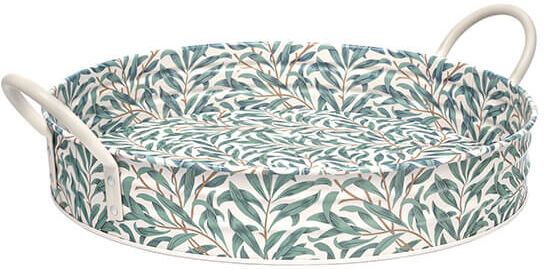
William Morris Arts & Crafts Willow Large Handle TrayThe Arts & Crafts William Morris Willow Large Handle Tray is a stylish addition to any home, designed to elevate your serving experience with its practical features. This large handle tray not only looks great but also makes serving drinks and snacks a breeze. Its sturdy design ensures it can handle your needs, while the easy-to-clean surface means less time tidying up and more time enjoying your gatherings. Care instructions: Wipe clean with a damp cloth. Dimensions: 6(H) x 39(dia) cm.40,50 £*Shipping: 3,50 £Secure redirect to the provider
-
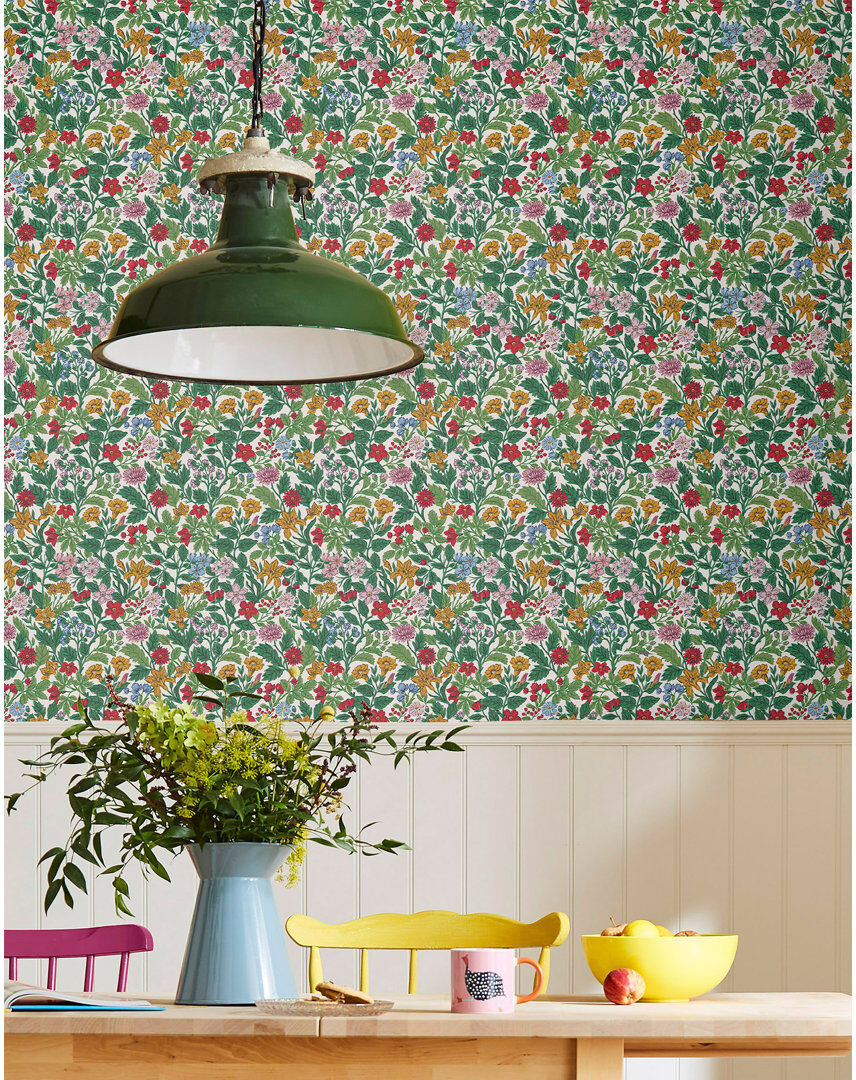
Joules Arts and Crafts Floral Rainbow Wallpaper Green 10cm LA timeless yet contemporary wallpaper, this classic, wide stripe is an iconic print pattern. Harborough stripe is brought to life in a coastal, classic blue tone which brings a fresh feel when contrasted against the off-white tone. Printed on a matt substrate for a contemporary look and feel. This wallpaper is also paste-the-wall, making it easy to hang. Design Match: Straight. Application Method: Paste the Wall. Care Instruction - Clean with a dry soft cloth. Please note the colours on screen may vary from the actual product. This product is not available for British Forces Post Office Deliveries.. Brand Name: JOULES.41,60 £*Shipping: 4,99 £Secure redirect to the provider
-
William Morris Arts & Crafts Marigold Set of 3 Square CaddiesIntroducing the Arts & Crafts William Morris Marigold Set of 3 Square Caddies, ideal for adding a touch of charm to your home while keeping your space organised. This delightful set features a beautiful marigold design, making them not only functional but also a stylish addition to your decor. Perfect for storing a variety of items, these caddies help you declutter and maintain a tidy environment. Dimensions: 10.5(H) x 10.5(W) x 10.5(L)cm.22,50 £*Shipping: 3,50 £Secure redirect to the provider
-
'Genitive or accusative?'
The genitive case is used to show possession or relationship between nouns, while the accusative case is used to show the direct object of a verb. In general, the genitive case is used to indicate ownership or association, while the accusative case is used to indicate the direct object of a verb or the object of a preposition. The choice between genitive and accusative depends on the specific context and the grammatical rules of the language being used. **
-
Dative or accusative?
Dative and accusative are two different cases in grammar that indicate the relationship between a verb and its object. The dative case is used to show the indirect object of a verb, while the accusative case is used to show the direct object. To determine whether to use dative or accusative, you need to consider the verb in the sentence and identify whether the object is receiving the action directly (accusative) or indirectly (dative). **
-
Genitive or accusative?
The genitive case is used to show possession or relationship between nouns, while the accusative case is used to show the direct object of a verb or the object of certain prepositions. In general, the genitive case is used to indicate possession or belonging, while the accusative case is used to indicate the direct object of a verb or the object of a preposition. The choice between genitive and accusative depends on the specific context and the grammatical rules of the language being used. **
-
Whom or what accusative?
The accusative case is used to indicate the direct object of a verb in a sentence. It answers the question "whom" or "what" is receiving the action of the verb. In English, the accusative case is often marked by word order or prepositions, while in some languages, such as Latin or German, it is marked by changes in the form of the noun or pronoun. **
Similar search terms for Accusative
-
William Morris Arts & Crafts Marigold Set of 3 Round Cake TinsDiscover the Arts & Crafts William Morris Marigold Set of 3 Round Cake Tins, perfect for your baking adventures and stylish storage solutions. These tins not only keep your cakes fresh but also add a touch of elegance to your kitchen. With a beautiful marigold design, these cake tins are ideal for both baking and showcasing your creations. Their sturdy construction ensures they can be used time and again, making them a practical choice for any baking enthusiast. Care instructions: Hand wash only.Dimensions: Small - 10.5(H) x 19.2(dia) cm, Medium - 12(H) x 22.3(dia) cm, Large - 15(H) x 25(dia) cm.40,50 £*Shipping: 3,50 £Secure redirect to the provider
-
William Morris Arts & Crafts Strawberry Thief Set of 3 Square CaddiesIntroducing the Arts & Crafts William Morris Strawberry Thief Set of 3 Square Caddies, a charming addition to your home that effortlessly combines style and functionality. These delightful caddies are perfect for storing your favourite treats or crafting supplies, helping you keep your space organised and beautiful. The stunning strawberry thief design adds a touch of elegance to any room, making these caddies not just practical but also a lovely decorative piece. Ideal for those who appreciate both art and utility, they are perfect for anyone looking to enhance their storage solutions with a stylish flair. Dimensions: 10.5(H) x 10.5(W) x 10.5(L)cm.22,50 £*Shipping: 3,50 £Secure redirect to the provider
-
Blueprint Squishmallows Project Book - Arts and Crafts Guide for Fans - MultiUnleash your creativity with the Squishmallows Project Book, a guide for fans of the beloved Squishmallows franchise. This boxed edition features a variety of fun projects inspired by your favorite plush characters, perfect for collectors and crafters alike. Inside this engaging project book, you'll find step-by-step instructions for crafting adorable Squishmallows-themed items, vibrant illustrations that bring the characters to life, and tips and tricks to personalize your projects. Whether you're a seasoned fan or new to the Squishmallows world, this project book is a delightful addition to your collection.5,99 £*Shipping: 3,95 £Secure redirect to the provider
-
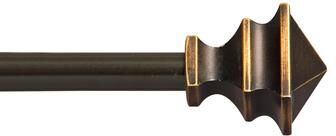
"Kenney Arts and Crafts 1/2"" Petite Cafe Decorative Window Curtain Rod""Product Description: Add style to smaller windows with this 1/2"" Arts & Crafts Petite Cafe Window Curtain Rod by Kenney. This painted metal rod has a dark brown finish with coordinating oil rubbed bronze molded finials."27,15 $*Shipping: 0,00 $Secure redirect to the provider
-
Tolerate dative or accusative?
Whether to use the dative or accusative case in German depends on the verb being used and the prepositions that accompany it. Some verbs require the dative case, such as helfen (to help) or danken (to thank), while others require the accusative case, such as sehen (to see) or essen (to eat). It is important to learn which case each verb requires in order to use the correct form in a sentence. **
-
What is a subject accusative?
A subject accusative is a linguistic phenomenon where the direct object of a verb is marked with the accusative case, typically in languages that have a nominative-accusative alignment. This can occur in languages like Latin or Greek, where the accusative case is used to mark the direct object of a transitive verb. In these cases, the subject of the sentence is in the nominative case, while the direct object takes the accusative case. **
-
Nominative or accusative in Latin?
In Latin, the nominative case is used for the subject of a sentence, while the accusative case is used for the direct object. The nominative case is also used for predicate nominatives, which rename the subject. The accusative case is used for nouns that receive the action of the verb. **
-
What is the difference between accusative and accusative object, and dative and dative object?
The accusative case is used to indicate the direct object of a verb, while the accusative object is the noun or pronoun that receives the action of the verb. For example, in the sentence "I see the dog," "the dog" is in the accusative case and is the accusative object. Similarly, the dative case is used to indicate the indirect object of a verb, while the dative object is the noun or pronoun that receives the action indirectly. For example, in the sentence "I give the book to her," "her" is in the dative case and is the dative object. **
* All prices are inclusive of VAT and, if applicable, plus shipping costs. The offer information is based on the details provided by the respective shop and is updated through automated processes. Real-time updates do not occur, so deviations can occur in individual cases. ** Note: Parts of this content were created by AI.