Buy roadstoculture.eu ?
We are moving the project
roadstoculture.eu .
Are you interested in purchasing the domain
roadstoculture.eu ?
domain@kv-gmbh.de · 0541-91531010
Buy roadstoculture.eu ?
Is a 12-year-old Chianti still drinkable?
Yes, a 12-year-old Chianti can still be drinkable, especially if it has been stored properly in a cool, dark place. Chianti is a red wine that is known for its aging potential, and many Chianti wines can continue to develop and improve in flavor over time. However, it's important to note that not all Chianti wines are meant for long-term aging, so it's best to consult with a wine expert or sommelier to determine if a specific bottle of Chianti is still drinkable after 12 years. **
Can the arts and crafts course still be completed?
Yes, the arts and crafts course can still be completed as long as the necessary materials and instructions are provided. Participants can follow along with video tutorials, written instructions, or attend virtual classes to learn and create art projects. Online platforms and resources make it possible for individuals to continue their artistic pursuits from the comfort of their own homes. With dedication and practice, participants can successfully complete the arts and crafts course and develop their skills. **

Similar search terms for Chianti
Top-Angebote
Products related to Chianti:
-
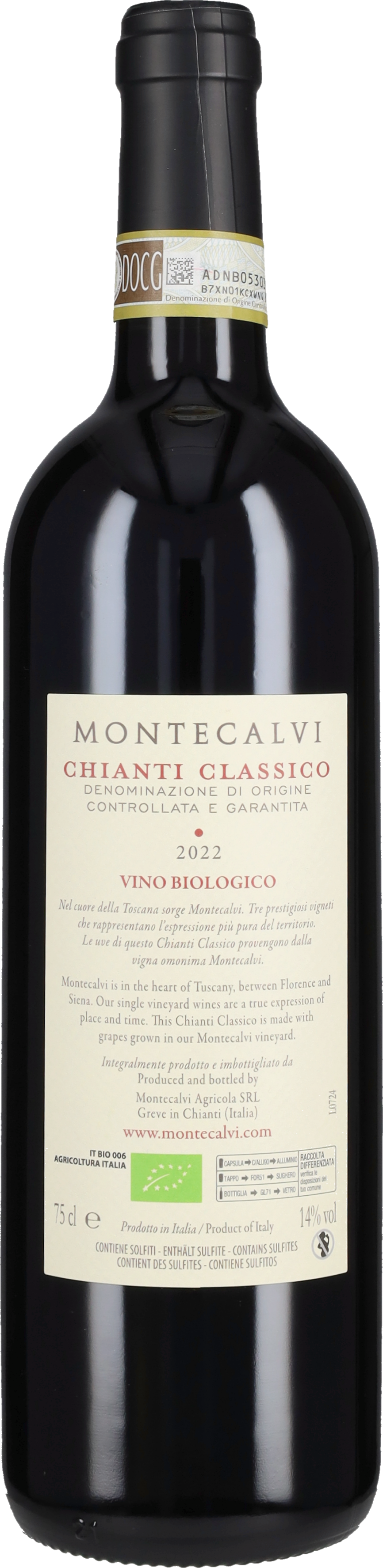
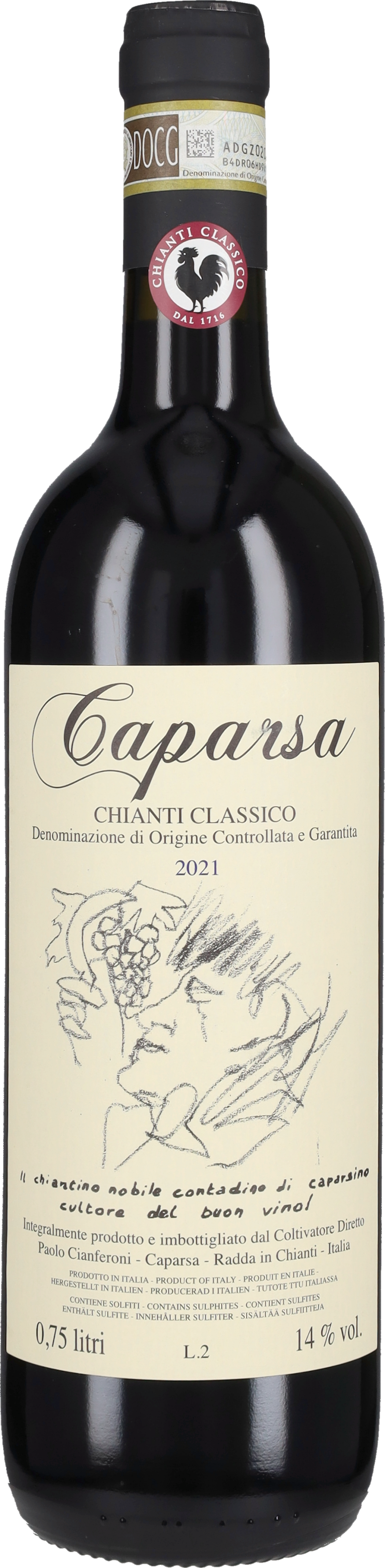
Chianti Classico Caparsa 2022Caparsa presents its Chianti Classico, a slender and meaty label that authentically expresses the famous territory from which it comes. The family-run winery Caparsa, located in Radda in Chianti, passionately manages about 12 hectares of vineyards, certified organic and almost exclusively cultivated with Sangiovese, the principal grape variety of the area. The production is characterized by a traditional and genuine style, as well as by its artisanal character and exemplary typicity. The evocative tasting room is carved out of the old cellar from the 1600s, just as the very old underground room dedicated to wine aging is. The Caparsa Chianti Classico represents a pure expression of Sangiovese, grown in Radda in Chianti at 450 meters above sea level. The harvest is done by hand and in the vineyard, practices required by certified organic farming are adopted. The alcoholic fermentation is carried out by the only yeasts naturally present on the grapes and in the cellar environment and takes place in cement tanks. In the same type of containers, the aging of some takes place.months, before bottling. Caparsa Chianti Classico DOCG has a ruby red hue with violet reflections. The aromas on the nose evoke sensual notes of violet, wild berries, cherry, morello cherry, and underbrush, blending with hints of iron. The taste is dynamic and pure, made very smooth by the crisp freshness that accompanies the pleasant mineral perceptions. A bottle that stands out for its accessibility and spontaneity, to be enjoyed with aged cheeses and cured meats or assorted red meat dishes.34,00 £*Shipping: 48,00 £Secure redirect to the provider
-
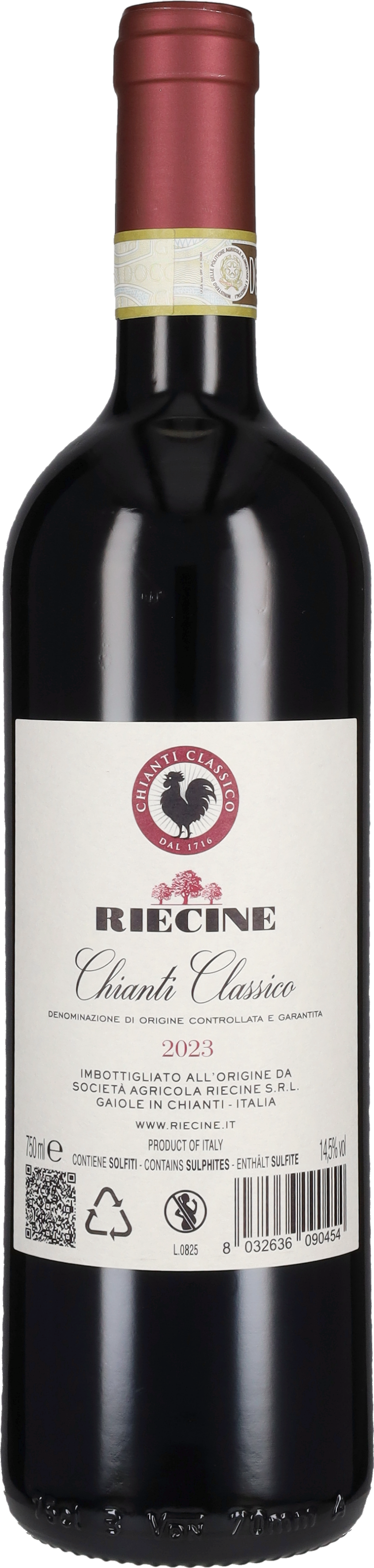
Chianti Classico Riecine 2024Chianti Classico from the Riecine estate takes the form of a typical and representative interpretation of this celebrated appellation that has strongly contributed to defining the image of oenoic Tuscany in the world. We are in Gaiole in Chianti, a subzone of Chianti Classico that, along with Radda and Castellina, is considered the most anciently devoted to viticulture. This area, included in the centre of a natural basin at the foot of the Chianti Mountains, is one of the coolest in the entire Black Rooster appellation, included among the 11 Additional Geographical Units. Riecine Chianti Classico constitutes an expression of pure Sangiovese, a black grape variety grown under a certified organic system. The vines are approximately 25-35 years old and are rooted in soils consisting mainly of limestone and clay between 450 and 500 meters above sea level. Harvesting is done by hand generally between September and October, accompanied by double selection, both in the vineyard and in the cellar. The clusters are then mellowed in unglazed concrete tanks for alcoholic fermentation, accompanied by 15 days of maceration on the skins. The ensuing ageing phase takes place in spent tonneaux and continues for one year before bottling and further brief resting in a glass. Chianti Classico Riecine has a pale ruby red color. Seductive and characteristic aromas of red fruits and violets define the olfactory landscape, along with delicate spicy tones. The sip is voluminous, broad and round, well balanced by marked freshness and a pleasantly tannic finish. Thanks to its remarkable territorial adherence, this Chianti Classico pairs beautifully with traditional Tuscan dishes such as pici with chianina ragu.25,00 £*Shipping: 48,00 £Secure redirect to the provider
-
Chianti Classico Riserva Riecine 2022The Chianti Classico Riserva from Riecine is an elegant and intense version of this extraordinary Tuscan wine. It is the perfect synthesis between the beautiful hilly area of Gaiole in Chianti and Sangiovese: the red grape variety that has dwelled in these lands for centuries and is its authentic and best interpreter. It is a label of particular value, positioned in the elite of the denomination. The high-quality grapes and aging in wood contribute to give a mature and harmonious face, capable of preserving intact the fragrance and immediacy of the classic fruity notes of Sangiovese. The Chianti Riserva Classico wine is born in one of the most interesting and renowned wineries in the Classic Chianti area. Riecine has been a reference point for the reds of Gaiole for over 40 years, for its ability to produce labels that are not only of excellent quality but also faithful expressions of the character of the territory. The vineyards cover a total of about fifteen hectares, divided into various plots with different soils and microclimates among them, that are vinified separately, in order to have the possibility to choose later only the parcels that have expressed the best wines of the vintage. The reds from Reicine possess a marked personality. They highlight excellent work in the vineyard and a minimalist approach in the cellar, which translates into a clear and transparent fidelity to the territory. The fermentations take place in concrete tanks using only indigenous yeasts and a maceration on the skins for a couple of weeks. Before bottling, the wine matures for 20 months in large oak barrels and completes the aging with a few months in the bottle.The Chianti Riserva Riecine is a bottle to reserve for a special evening and to bring to the table to accompany a Florentine steak, a tagliata, or a roast. The grapes come from a selection of the best vineyards of the estate cultivated at about 450 meters above sea level on soils composed of clay and limestone. It is a deep ruby red glass with slight garnet reflections, revealing aromas of black currant, cherry, and berries,47,00 £*Shipping: 48,00 £Secure redirect to the provider


-
Should the religious heritage and Christian tradition of Europe be more clearly included in the European constitutional treaty?
The inclusion of religious heritage and Christian tradition in the European constitutional treaty is a complex and sensitive issue. While Europe has a rich history of Christian influence, it is also a diverse and secular society. Therefore, any inclusion of religious heritage should be done in a way that respects the diversity of beliefs and values within Europe. It is important to strike a balance that acknowledges the historical significance of Christianity while also upholding the principles of secularism and religious freedom. Ultimately, the decision should be made through careful consideration and dialogue among the diverse communities and stakeholders in Europe. **
-
What can you make in the first arts and crafts class with 5th and 6th grade students?
In the first arts and crafts class with 5th and 6th grade students, you can make simple and fun projects such as friendship bracelets, paper mache masks, or painted rock art. These projects are engaging and allow students to express their creativity while also learning basic crafting skills. Additionally, these projects can be completed within the class period and are suitable for students of varying skill levels. **
-
Is East Asian cuisine more varied than European cuisine?
Both East Asian and European cuisines are incredibly varied, with each region offering a wide range of flavors, ingredients, and cooking techniques. East Asian cuisine encompasses the diverse culinary traditions of countries such as China, Japan, Korea, and Thailand, each with its own unique dishes and flavors. Similarly, European cuisine is incredibly varied, with distinct culinary traditions in countries like Italy, France, Spain, and Greece. Ultimately, the variety of both East Asian and European cuisines is a result of the rich diversity of ingredients, cooking methods, and cultural influences found within each region. **
-
On which Jewish festivals are the Christian festivals based?
The Christian festivals of Easter and Pentecost are based on the Jewish festivals of Passover and Shavuot, respectively. Easter is linked to the Jewish Passover, as it commemorates the crucifixion and resurrection of Jesus, which occurred during the time of Passover. Pentecost, on the other hand, is based on the Jewish festival of Shavuot, which celebrates the giving of the Torah at Mount Sinai. Christians believe that the Holy Spirit descended upon the apostles on the day of Pentecost, which is why the Christian festival is based on this Jewish holiday. **


Are traditional crafts disappearing?
Traditional crafts are indeed at risk of disappearing due to various factors such as modernization, globalization, and changing consumer preferences. Many younger generations are not pursuing these crafts as careers, leading to a decline in the number of skilled artisans. Additionally, mass production and cheaper alternatives are making it difficult for traditional crafts to compete in the market. Efforts are being made to preserve and promote these crafts through initiatives like cultural heritage programs and artisan cooperatives. **
Are festivals dangerous?
Festivals can pose certain risks due to large crowds, potential for accidents, and sometimes excessive alcohol consumption. However, with proper planning, security measures, and responsible behavior, the risks can be minimized. It is important for festival-goers to stay aware of their surroundings, look out for each other, and follow safety guidelines to ensure a fun and safe experience. **
Top-Angebote
Products related to Chianti:
-
Chianti Classico Vallepicciola 2023The Chianti Classico from Vallepicciola is a Tuscan red wine whose class lies in its ability to bring to light the most typical traits of the denomination to which it belongs. The aroma of wilted violet, typical of Sangiovese, envelops a fruity and juicy nose, while on the palate flows a smooth sip, dominated by a pleasant tannic grip. A label that is born in light of the strong bond between the grape variety used and the territory, and which proposes itself as one of the most representative of the entire area. This Chianti Classico is born from the use of pure grapes of a variety that well represents the Tuscan wine potential in the world, Sangiovese. The VallePicciola winery cultivates it in vineyards located near Pievasciata and Castelnuovo Berardenga, about 400 meters above sea level. Here the terroir is characterized by a mainly calcareous and clayey subsoil. The must ferments in small steel tanks, at a controlled temperature, undergoing malolactic fermentation later, in French oak barrels. The final aging lasts for 12 months, and takes place in large barrels; at the end of this period, the wine is bottled and marketed. The Chianti Classico made by the Vallepicciola winery presents itself visually with a dense, concentrated, and deep ruby red color. Intense is the olfactory profile, which outlines a progression of fruity notes and wilted flowers, enriched by returns of aromatic herbs and sweet spices. On the palate, it is medium-bodied, elegant, equipped with a refined fresh sip, which sketches a tannin that is indeed important, but never at the expense of the overall harmony that reigns during tasting. A label that, precisely with this vintage, brings together the main critics in the sector, not only nationally.16,00 £*Shipping: 48,00 £Secure redirect to the provider
-
Chianti Classico Caparsa 2022Caparsa presents its Chianti Classico, a slender and meaty label that authentically expresses the famous territory from which it comes. The family-run winery Caparsa, located in Radda in Chianti, passionately manages about 12 hectares of vineyards, certified organic and almost exclusively cultivated with Sangiovese, the principal grape variety of the area. The production is characterized by a traditional and genuine style, as well as by its artisanal character and exemplary typicity. The evocative tasting room is carved out of the old cellar from the 1600s, just as the very old underground room dedicated to wine aging is. The Caparsa Chianti Classico represents a pure expression of Sangiovese, grown in Radda in Chianti at 450 meters above sea level. The harvest is done by hand and in the vineyard, practices required by certified organic farming are adopted. The alcoholic fermentation is carried out by the only yeasts naturally present on the grapes and in the cellar environment and takes place in cement tanks. In the same type of containers, the aging of some takes place.months, before bottling. Caparsa Chianti Classico DOCG has a ruby red hue with violet reflections. The aromas on the nose evoke sensual notes of violet, wild berries, cherry, morello cherry, and underbrush, blending with hints of iron. The taste is dynamic and pure, made very smooth by the crisp freshness that accompanies the pleasant mineral perceptions. A bottle that stands out for its accessibility and spontaneity, to be enjoyed with aged cheeses and cured meats or assorted red meat dishes.34,00 £*Shipping: 48,00 £Secure redirect to the provider
-
Chianti Classico Riecine 2024Chianti Classico from the Riecine estate takes the form of a typical and representative interpretation of this celebrated appellation that has strongly contributed to defining the image of oenoic Tuscany in the world. We are in Gaiole in Chianti, a subzone of Chianti Classico that, along with Radda and Castellina, is considered the most anciently devoted to viticulture. This area, included in the centre of a natural basin at the foot of the Chianti Mountains, is one of the coolest in the entire Black Rooster appellation, included among the 11 Additional Geographical Units. Riecine Chianti Classico constitutes an expression of pure Sangiovese, a black grape variety grown under a certified organic system. The vines are approximately 25-35 years old and are rooted in soils consisting mainly of limestone and clay between 450 and 500 meters above sea level. Harvesting is done by hand generally between September and October, accompanied by double selection, both in the vineyard and in the cellar. The clusters are then mellowed in unglazed concrete tanks for alcoholic fermentation, accompanied by 15 days of maceration on the skins. The ensuing ageing phase takes place in spent tonneaux and continues for one year before bottling and further brief resting in a glass. Chianti Classico Riecine has a pale ruby red color. Seductive and characteristic aromas of red fruits and violets define the olfactory landscape, along with delicate spicy tones. The sip is voluminous, broad and round, well balanced by marked freshness and a pleasantly tannic finish. Thanks to its remarkable territorial adherence, this Chianti Classico pairs beautifully with traditional Tuscan dishes such as pici with chianina ragu.25,00 £*Shipping: 48,00 £Secure redirect to the provider
-
Is a 12-year-old Chianti still drinkable?
Yes, a 12-year-old Chianti can still be drinkable, especially if it has been stored properly in a cool, dark place. Chianti is a red wine that is known for its aging potential, and many Chianti wines can continue to develop and improve in flavor over time. However, it's important to note that not all Chianti wines are meant for long-term aging, so it's best to consult with a wine expert or sommelier to determine if a specific bottle of Chianti is still drinkable after 12 years. **
-
Can the arts and crafts course still be completed?
Yes, the arts and crafts course can still be completed as long as the necessary materials and instructions are provided. Participants can follow along with video tutorials, written instructions, or attend virtual classes to learn and create art projects. Online platforms and resources make it possible for individuals to continue their artistic pursuits from the comfort of their own homes. With dedication and practice, participants can successfully complete the arts and crafts course and develop their skills. **
-
Should the religious heritage and Christian tradition of Europe be more clearly included in the European constitutional treaty?
The inclusion of religious heritage and Christian tradition in the European constitutional treaty is a complex and sensitive issue. While Europe has a rich history of Christian influence, it is also a diverse and secular society. Therefore, any inclusion of religious heritage should be done in a way that respects the diversity of beliefs and values within Europe. It is important to strike a balance that acknowledges the historical significance of Christianity while also upholding the principles of secularism and religious freedom. Ultimately, the decision should be made through careful consideration and dialogue among the diverse communities and stakeholders in Europe. **
-
What can you make in the first arts and crafts class with 5th and 6th grade students?
In the first arts and crafts class with 5th and 6th grade students, you can make simple and fun projects such as friendship bracelets, paper mache masks, or painted rock art. These projects are engaging and allow students to express their creativity while also learning basic crafting skills. Additionally, these projects can be completed within the class period and are suitable for students of varying skill levels. **
Similar search terms for Chianti
-
Chianti Classico Riserva Riecine 2022The Chianti Classico Riserva from Riecine is an elegant and intense version of this extraordinary Tuscan wine. It is the perfect synthesis between the beautiful hilly area of Gaiole in Chianti and Sangiovese: the red grape variety that has dwelled in these lands for centuries and is its authentic and best interpreter. It is a label of particular value, positioned in the elite of the denomination. The high-quality grapes and aging in wood contribute to give a mature and harmonious face, capable of preserving intact the fragrance and immediacy of the classic fruity notes of Sangiovese. The Chianti Riserva Classico wine is born in one of the most interesting and renowned wineries in the Classic Chianti area. Riecine has been a reference point for the reds of Gaiole for over 40 years, for its ability to produce labels that are not only of excellent quality but also faithful expressions of the character of the territory. The vineyards cover a total of about fifteen hectares, divided into various plots with different soils and microclimates among them, that are vinified separately, in order to have the possibility to choose later only the parcels that have expressed the best wines of the vintage. The reds from Reicine possess a marked personality. They highlight excellent work in the vineyard and a minimalist approach in the cellar, which translates into a clear and transparent fidelity to the territory. The fermentations take place in concrete tanks using only indigenous yeasts and a maceration on the skins for a couple of weeks. Before bottling, the wine matures for 20 months in large oak barrels and completes the aging with a few months in the bottle.The Chianti Riserva Riecine is a bottle to reserve for a special evening and to bring to the table to accompany a Florentine steak, a tagliata, or a roast. The grapes come from a selection of the best vineyards of the estate cultivated at about 450 meters above sea level on soils composed of clay and limestone. It is a deep ruby red glass with slight garnet reflections, revealing aromas of black currant, cherry, and berries,47,00 £*Shipping: 48,00 £Secure redirect to the provider
-
Chianti Classico 'Berardenga' Felsina 2023The Chianti Classico “Berardenga” by Fèlsina is an elegant red wine with good expressive intensity, which well represents one of the most vocated territories in the Chianti Classico area for the cultivation of Sangiovese, the principal grape variety of the lands of Tuscany. The winery has worked hard to preserve the varietal typicity of the grapes, through a patient mass selection of the best biotypes present in the old vineyards. In this way, it has been possible to replicate and preserve an extraordinary genetic heritage, which still today allows the production of a wine that is a product of the history of the territory and capable of authentically reflecting its characteristics thanks to the centuries-old interaction between vine and soils. “Berardenga” is a Chianti Classico produced by the Fattoria di Fèlsina, a historic Chianti estate, which since the 1960s has begun to focus on high-quality production, with the awareness of being able to count on an extraordinary terroir. The estate is located in the hilly area of Castelnuovo Berardenga, northeast of Siena. The vineyards are situated at an altitude ranging from 320 to 420 meters above sea level.sea, with a southwest exposure. The soils are very vocated, composed of quartzose and stratified sandstones, with an abundant presence of alberese. They are poor, rocky, and very draining soils, ideal for the needs of Sangiovese. The cool and ventilated climate allows for a slow and perfect ripening of the grapes, which are harvested in the first weeks of October. The bunches are destemmed before proceeding to fermentation in stainless steel tanks at a controlled temperature of 28-30 °C, with maceration on the skins for a couple of weeks, accompanied by pump-overs and punch downs. The wine matures in Slavonian oak barrels and in a small part in second and third passage barriques for 12 months. The Chianti Classico “Berardenga” by Fèlsina is the most classic and traditional red produced by this important Tuscan winery. A true homage to the varietal characteristics of Sangiovese in all its richness and expressive elegance. With a bright ruby red color, it expresses a bouquet characterized by aromas of red currant, marasca, hints of aromatic herbs, delicate spices, nuances of licorice root,more austere and mineral notes of quinine and graphite. On the palate, it presents a fine tannic texture well integrated with a crunchy and intense fruit, leading to a long, fresh, and savory finish.17,00 £*Shipping: 48,00 £Secure redirect to the provider
-
Is East Asian cuisine more varied than European cuisine?
Both East Asian and European cuisines are incredibly varied, with each region offering a wide range of flavors, ingredients, and cooking techniques. East Asian cuisine encompasses the diverse culinary traditions of countries such as China, Japan, Korea, and Thailand, each with its own unique dishes and flavors. Similarly, European cuisine is incredibly varied, with distinct culinary traditions in countries like Italy, France, Spain, and Greece. Ultimately, the variety of both East Asian and European cuisines is a result of the rich diversity of ingredients, cooking methods, and cultural influences found within each region. **
-
On which Jewish festivals are the Christian festivals based?
The Christian festivals of Easter and Pentecost are based on the Jewish festivals of Passover and Shavuot, respectively. Easter is linked to the Jewish Passover, as it commemorates the crucifixion and resurrection of Jesus, which occurred during the time of Passover. Pentecost, on the other hand, is based on the Jewish festival of Shavuot, which celebrates the giving of the Torah at Mount Sinai. Christians believe that the Holy Spirit descended upon the apostles on the day of Pentecost, which is why the Christian festival is based on this Jewish holiday. **
-
Are traditional crafts disappearing?
Traditional crafts are indeed at risk of disappearing due to various factors such as modernization, globalization, and changing consumer preferences. Many younger generations are not pursuing these crafts as careers, leading to a decline in the number of skilled artisans. Additionally, mass production and cheaper alternatives are making it difficult for traditional crafts to compete in the market. Efforts are being made to preserve and promote these crafts through initiatives like cultural heritage programs and artisan cooperatives. **
-
Are festivals dangerous?
Festivals can pose certain risks due to large crowds, potential for accidents, and sometimes excessive alcohol consumption. However, with proper planning, security measures, and responsible behavior, the risks can be minimized. It is important for festival-goers to stay aware of their surroundings, look out for each other, and follow safety guidelines to ensure a fun and safe experience. **
* All prices are inclusive of VAT and, if applicable, plus shipping costs. The offer information is based on the details provided by the respective shop and is updated through automated processes. Real-time updates do not occur, so deviations can occur in individual cases. ** Note: Parts of this content were created by AI.