Buy roadstoculture.eu ?
We are moving the project
roadstoculture.eu .
Are you interested in purchasing the domain
roadstoculture.eu ?
domain@kv-gmbh.de · 0541-91531010
Buy roadstoculture.eu ?
Which song is used in the Ramazzotti Rosato advertisement?
The song used in the Ramazzotti Rosato advertisement is "Ti Sposerò Perché" by Eros Ramazzotti. This song is a romantic and uplifting track that complements the mood and theme of the advertisement, which is centered around love and celebration. The use of this song helps to create a memorable and emotional connection with the audience, enhancing the overall impact of the advertisement. **
Is Frizzante Secco a sparkling wine, Prosecco, or a wine?
Frizzante Secco is a sparkling wine. It is a type of Italian sparkling wine that is known for its light and slightly fizzy character. While Prosecco is also a type of Italian sparkling wine, Frizzante Secco is a separate category of sparkling wine that is distinct from Prosecco. **
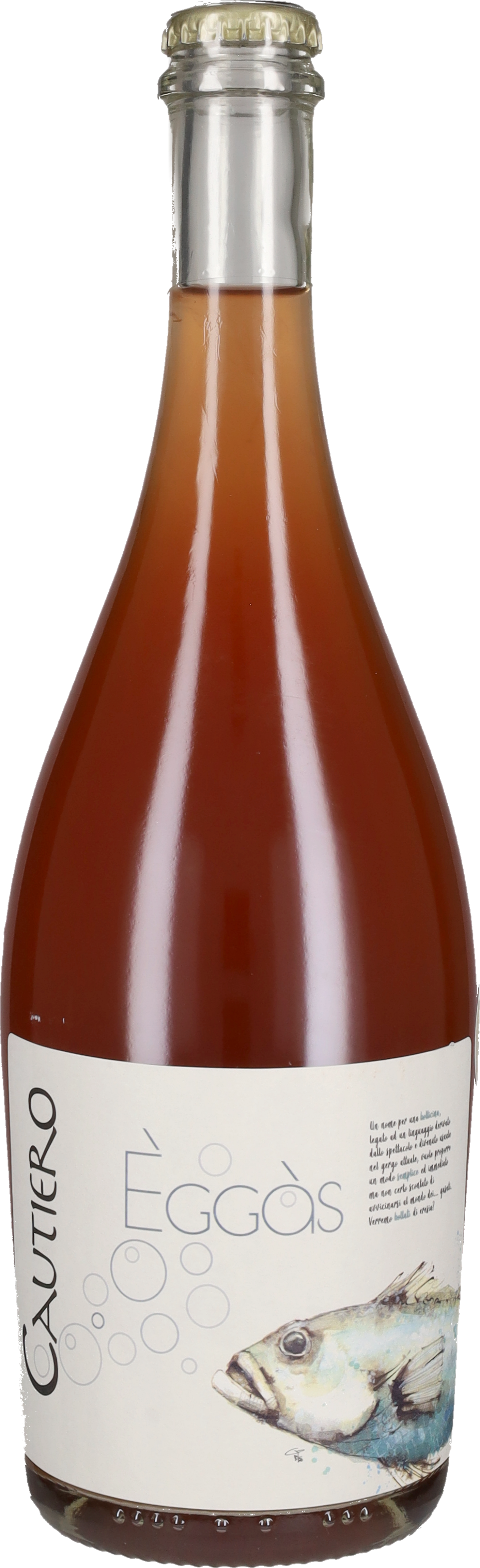
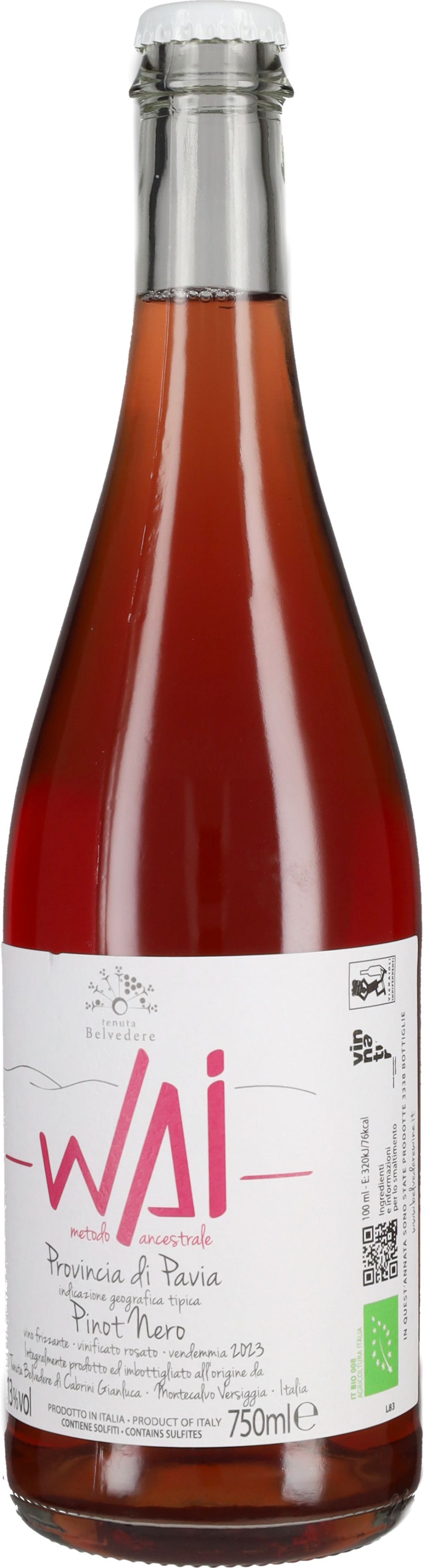
Similar search terms for Frizzante-Rosato-Eggas-Cautiero
Top-Angebote
Products related to Frizzante-Rosato-Eggas-Cautiero:
-
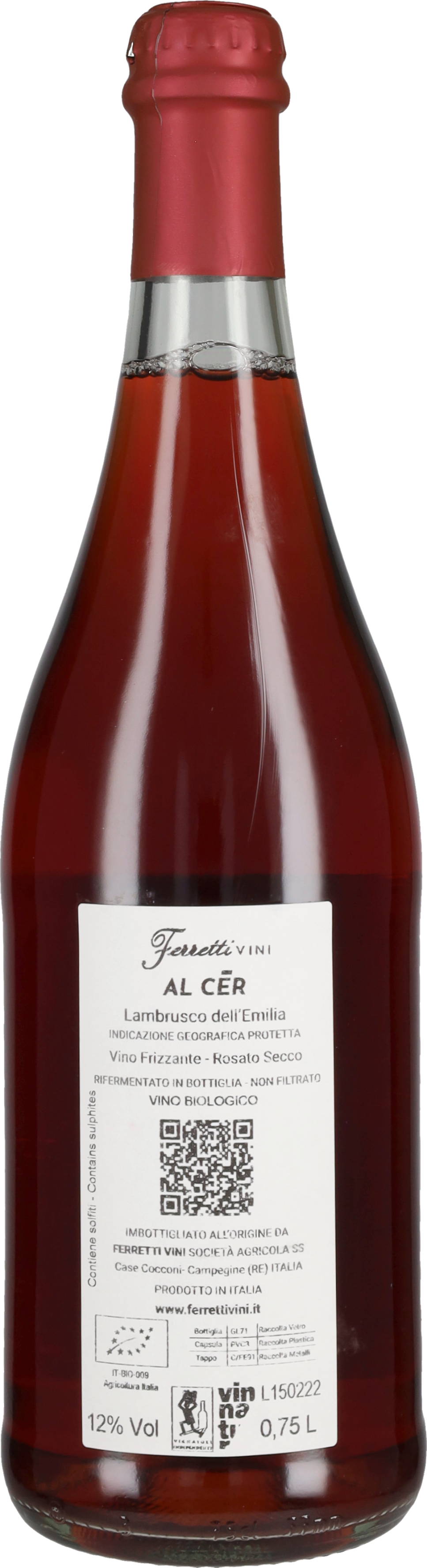
Lambrusco Rosato Frizzante 'Al Cer' Ferretti 2022"Al Cēr" from the Ferretti winery is the lightest Lambrusco, an interpretation of a rich Lambrusco blend in a rosé key. A more airy and perhaps more modern idea than the typical Lambrusco red, but one that does not renounce the bond with tradition: the use of only typical varieties and no chemical manipulation in the vineyard or in the cellar allow the essence of the Reggio Emilia territory to be safeguarded. The Ferretti winery makes its "Al Cēr" wine from a rich composition of Lambrusco grapes, each present in different proportions: Salamino 25%, Maestri 20%, Grasparossa 15%, Marani 10%, Oliva 8%, Barghi 5% and Foglia Frastagliata a residual 2%, to which is added 15% of Ancellotta, another typical variety with great colouring power. All the grapes come from a fairly recent planting, planted in 2011, on a medium-textured soil characterised mainly by clay. Agronomic management follows organic farming concepts, and the harvest is carried out by hand, with a careful selection already in the vineyard. The destemmed grapes are left to macerate for about 8 hours in steel containers without temperature control. After racking by draining, the indigenous yeasts conduct spontaneous fermentation in steel tanks: bottling is carried out without filtering or clarification and refermentation in the bottle takes place by adding must. The wine rests on its own yeasts for at least 6 months in the bottle and is not cleared by disgorging, in accordance with the principle of the anchoric method. "Al Cēr", made by the Ferretti Vini cellar, presents itself in a deep rosé colour with ruby highlights and a luminous, fine bubble appearance. The aromas are characterised by a delicate floral hint of rose petals and, above all, a rich berry fruitiness, with notes of ripe strawberry and blueberry embedded in a fresh woody nuance. The palate is consistent with this bouquet, offering a fresh and persistent taste, characterised by a noticeable tannic presence and a hint of toasted almond hints. The light version of Lambrusco is an example of a rosé with a strong personality, with an excellent balance between delicacy of aromas and substance of structure: it offers itself very well as an aperitif or on timeless classics such as charcuterie and fried gnocco.12,00 £*Shipping: 48,00 £Secure redirect to the provider
-
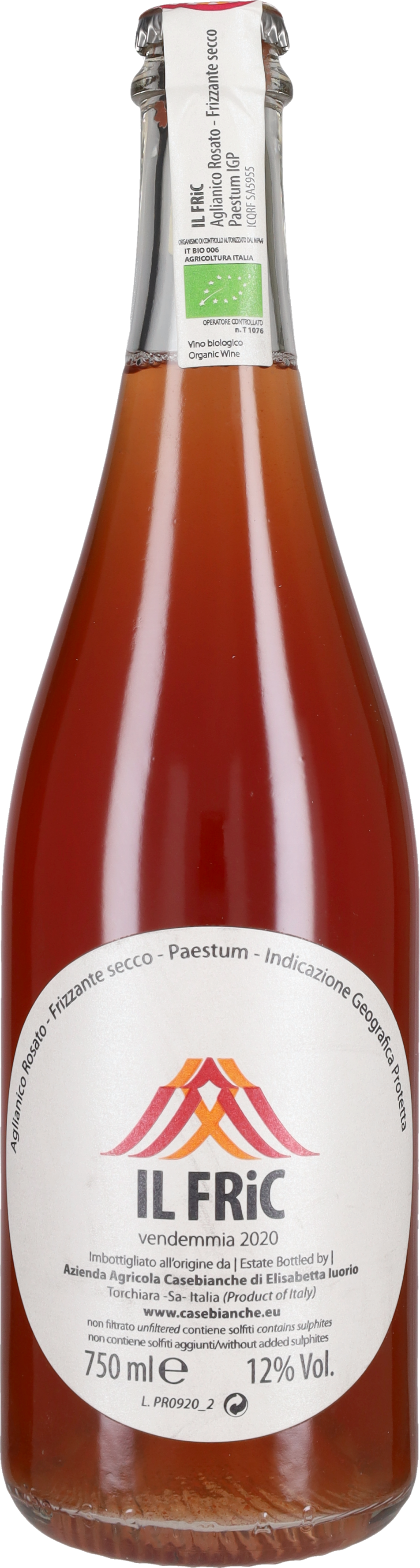
Aglianico Rosato Frizzante 'Il Fric' Casebianche 2020The Aglianico Rosato Frizzante "Il Fric" by Casebianche winery is a young, fragrant wine produced in Torchiara, in the province of Salerno, Campania, in an area bounded by Mount Stella, the Acquasanta stream and the Cilento sea. This label is made from pure Aglianico grapes from the ancient Dellemore vineyard, grown using the Guyot espalier method on soils rich in clay and limestone. The winery was established in 2000 when Elisabetta and Pasquale began tending the family vineyards, carrying out the first experimental vinifications, introducing the organic cultivation method and using natural fertilisers to enrich the soil life. Casebianche's Aglianico Rosato Frizzante "Il Fric" is an unmetered semi-sparkling wine made from carefully selected, hand-picked grapes. Once the grapes reach the winery, they are subjected to direct pressing, after which the must is divided into two parts, one that carries out the alcoholic fermentation, which occurs spontaneously, with indigenous yeasts, in stainless steel containers, and the other part of fresh must that is used as liqueur de tirage for the prise de mousse, the formation of the foam and subsequent re-fermentation in the bottle. This semi-sparkling wine does not undergo disgorgement but is offered whole on its own natural yeasts as per the Ancestral Method. The Rosato '"Il Fric" Frizzante Aglianico Casebianche presents itself to the eye with a lively cherry-pink colour. The nose displays aromas of red berries, including raspberry, strawberry, currant and pomegranate, citrusy hints of mandarin, floral notes of rose and jasmine and a slight hint of spice. In the mouth it is clean, smooth and fresh, characterised by a creamy foam and a mineral and fruity finish. An Aglianico Spumante Rosato, this from the Casebianche winery, which is certainly unusual but nevertheless extremely enjoyable, elegant and pleasant.19,00 £*Shipping: 48,00 £Secure redirect to the provider
-
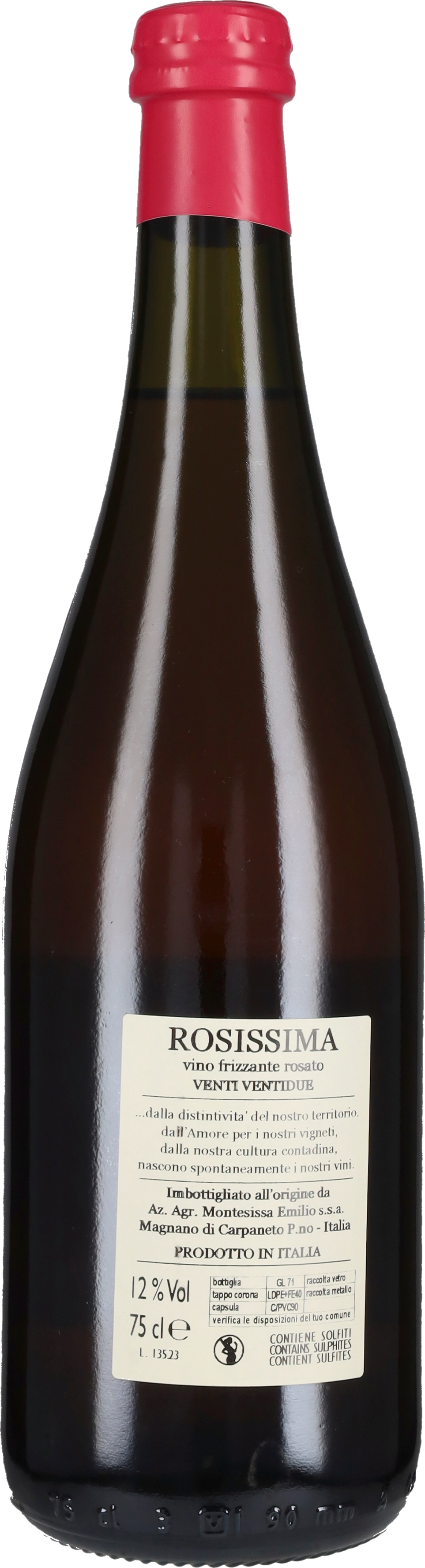
Montesissa Emilio Rosato Frizzante 'Rosissima' Emilio Montesissa"Rosissima" by Emilio Montesissa is the true pink interpretation of the characteristic black grapes of the Piacenza territory, indeed common to the wide intertwining of areas in the Emilia, Lombardia, and Piemonte regions. "Rosissima" is produced by Emilio Montesissa through the vinification of Barbera and Bonarda grapes sourced from plots within the 3.5 hectares of owned vineyards, interspersed with woods, meadows, and arable land. The soils on which they reside are composed of a clay-sandy matrix and sediments of ancient marine and alluvial origin, extending into the Carpaneto Piacentino area, a few kilometers south of the capital and east of the Nure stream valley. These are the very first hilly extensions of the Emilia Apennines, with rolling slopes that reach nearly 300 meters above sea level. The agronomic practice is characterized by the refusal of any chemical agents, and all vineyard work is carried out manually, including the harvest, which results in very low yields. The grapes are pressed, and spontaneous fermentation is conducted by only indigenous yeasts: after a short maceration period, part of the mass is drawn off by bleeding from the bottom of the tank and left to mature at low temperature on the fine lees throughout the winter, in a steel tank. As the spring temperatures rise, bottling takes place, while the yeasts will complete the interrupted fermentation producing a peculiar effervescence. The Rosato is ready after a few months of aging in the bottle. "Rosissima" by Emilio Montesissa presents itself with a pronounced full pink color. The nose is very fine, composed entirely of the most characteristic scents of this type: a crunchy and fresh fruitiness hints at notes of strawberry and cherry, currant berries, and a warmer nuance on the tones of bitter almond. The taste is very satisfying, a drinkable and well-balanced juice, with a fleshy and intriguing softness that ties to a saline vein and lively freshness, along with delicate and pleasant effervescence. There is nothing to say: fried gnocco and coppa Piacentina are a worthy complement.15,00 £*Shipping: 48,00 £Secure redirect to the provider
-
Rosato Frizzante Rifermentato in bottiglia 'Per Franco' Bergiantifermentation occurs spontaneously in cement tanks, with a second fermentation in the bottle. No clarification or filtration and a negligible addition of sulfur at bottling. The wine Per Franco presents itself in the glass with an enchanting intense rosé and a fine and delicate foam. A nose of unsuspected finesse, which combines the vinous quality of the red grape with a much more refined texture, where hints of wild strawberries, cherries, slightly rustic notes, and field flowers can be recognized. The liquid "shoots" all its arrows on the palate, where it reveals itself to be tense, juicy, and crunchy at the same time, fading into savory returns that extend its persistence. A touching quality-price ratio, for a wine that we recommend buying by the case. Impossible to regret!fermentation occurs spontaneously in cement tanks, with a second fermentation in the bottle. No clarification or filtration and a negligible addition of sulfur at bottling. The wine Per Franco presents itself in the glass with an enchanting intense rosé and a fine and delicate foam. A nose of unsuspected finesse, which combines the vinous quality of the red grape with a much more refined texture, where hints of wild strawberries, cherries, slightly rustic notes, and field flowers can be recognized. The liquid "shoots" all its arrows on the palate, where it reveals itself to be tense, juicy, and crunchy at the same time, fading into savory returns that extend its persistence. A touching quality-price ratio, for a wine that we recommend buying by the case. Impossible to regret!17,00 £*Shipping: 48,00 £Secure redirect to the provider

-
Can the arts and crafts course still be completed?
Yes, the arts and crafts course can still be completed as long as the necessary materials and instructions are provided. Participants can follow along with video tutorials, written instructions, or attend virtual classes to learn and create art projects. Online platforms and resources make it possible for individuals to continue their artistic pursuits from the comfort of their own homes. With dedication and practice, participants can successfully complete the arts and crafts course and develop their skills. **
-
Should the religious heritage and Christian tradition of Europe be more clearly included in the European constitutional treaty?
The inclusion of religious heritage and Christian tradition in the European constitutional treaty is a complex and sensitive issue. While Europe has a rich history of Christian influence, it is also a diverse and secular society. Therefore, any inclusion of religious heritage should be done in a way that respects the diversity of beliefs and values within Europe. It is important to strike a balance that acknowledges the historical significance of Christianity while also upholding the principles of secularism and religious freedom. Ultimately, the decision should be made through careful consideration and dialogue among the diverse communities and stakeholders in Europe. **
-
What can you make in the first arts and crafts class with 5th and 6th grade students?
In the first arts and crafts class with 5th and 6th grade students, you can make simple and fun projects such as friendship bracelets, paper mache masks, or painted rock art. These projects are engaging and allow students to express their creativity while also learning basic crafting skills. Additionally, these projects can be completed within the class period and are suitable for students of varying skill levels. **
-
Is East Asian cuisine more varied than European cuisine?
Both East Asian and European cuisines are incredibly varied, with each region offering a wide range of flavors, ingredients, and cooking techniques. East Asian cuisine encompasses the diverse culinary traditions of countries such as China, Japan, Korea, and Thailand, each with its own unique dishes and flavors. Similarly, European cuisine is incredibly varied, with distinct culinary traditions in countries like Italy, France, Spain, and Greece. Ultimately, the variety of both East Asian and European cuisines is a result of the rich diversity of ingredients, cooking methods, and cultural influences found within each region. **

On which Jewish festivals are the Christian festivals based?
The Christian festivals of Easter and Pentecost are based on the Jewish festivals of Passover and Shavuot, respectively. Easter is linked to the Jewish Passover, as it commemorates the crucifixion and resurrection of Jesus, which occurred during the time of Passover. Pentecost, on the other hand, is based on the Jewish festival of Shavuot, which celebrates the giving of the Torah at Mount Sinai. Christians believe that the Holy Spirit descended upon the apostles on the day of Pentecost, which is why the Christian festival is based on this Jewish holiday. **
Are traditional crafts disappearing?
Traditional crafts are indeed at risk of disappearing due to various factors such as modernization, globalization, and changing consumer preferences. Many younger generations are not pursuing these crafts as careers, leading to a decline in the number of skilled artisans. Additionally, mass production and cheaper alternatives are making it difficult for traditional crafts to compete in the market. Efforts are being made to preserve and promote these crafts through initiatives like cultural heritage programs and artisan cooperatives. **
Top-Angebote
Products related to Frizzante-Rosato-Eggas-Cautiero:
-
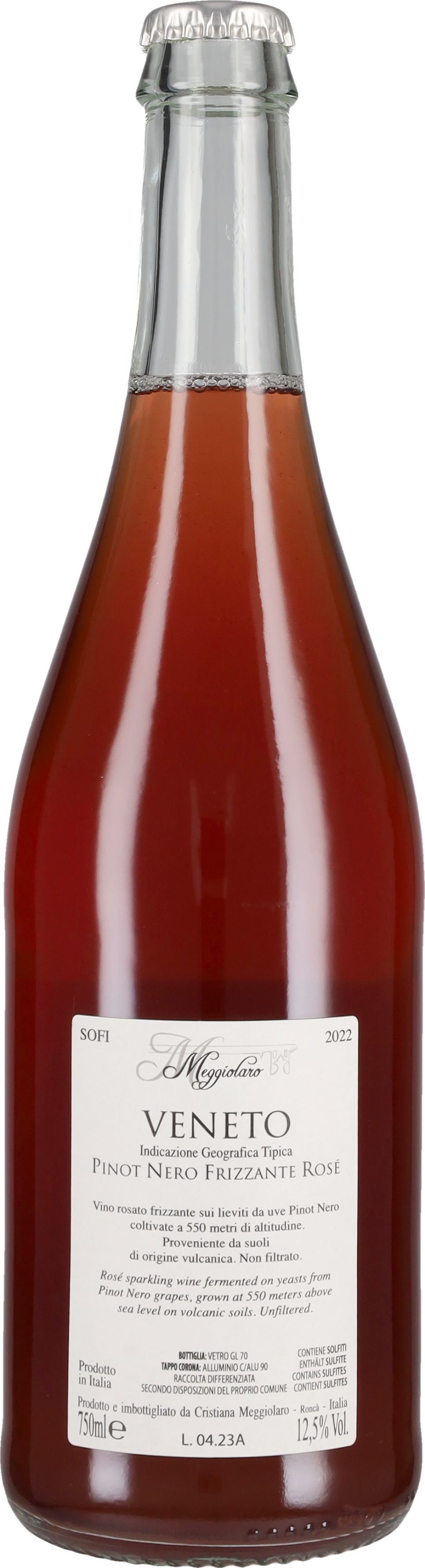
Rosato Frizzante 'Wai' Tenuta Belvedere 2023"Wai", produced by Belvedere Estate, is a sparkling rosé wine from the beautiful hilly area of Oltrepò Pavese. It is made from Pinot Noir grapes, a red grape variety that has found a second home in this territory. Sparkling sur lie, according to the principles of the Ancestral Method, allows the noble Burgundy varietal to bring out its profile of aromatic finesse and characteristic expressive elegance. Its aromas of berries and its fresh and intense sip provide a lively and vivacious drinking experience, very suitable to accompany light hors d'oeuvres or a platter of tasty local cured meats. The sparkling wine "Wai" is produced by an interesting artisanal winery in Oltrepò Pavese. Tenuta Belvedere is located in the hills of Montecalvo di Versiggia and covers about ten hectares. Soils of clay and limestone of Eocene origin and a cool, breezy climate provide ideal conditions for growing vines, particularly Pinot Noir. Young winemaker Gianluca Cabrini has set his sights on environmentally friendly viticulture geared toward producing thorough and expressive wines. Chemicals are banned in the countryside, and only copper, sulfur and organic fertilization are used. The result of this approach translates into sincere and authentic wines that faithfully reflect the terroir without the need for too much winemaking mediation. The sparkling rosé "Wai" is produced by Belvedere Estate from Pinot Noir grapes vinified in rosé with brief press contact to extract only a minimum of colour and the characteristic aromas of the grape variety. Refermentation takes place in the bottle using the Ancestral Method without a subsequent dégorgement. In the glass, it is slightly veiled pink in colour, with a soft, light mousse. The bouquet is reminiscent of raspberry, currant, small berries, citrus nuances, floral hints and typical hints of bread crust and yeast. The palate has an exuberant and lively attack, with a pleasantly fruity mouthfeel that closes on savoury and refreshing sensations.17,00 £*Shipping: 48,00 £Secure redirect to the provider
-
Lambrusco Rosato Frizzante 'Al Cer' Ferretti 2022"Al Cēr" from the Ferretti winery is the lightest Lambrusco, an interpretation of a rich Lambrusco blend in a rosé key. A more airy and perhaps more modern idea than the typical Lambrusco red, but one that does not renounce the bond with tradition: the use of only typical varieties and no chemical manipulation in the vineyard or in the cellar allow the essence of the Reggio Emilia territory to be safeguarded. The Ferretti winery makes its "Al Cēr" wine from a rich composition of Lambrusco grapes, each present in different proportions: Salamino 25%, Maestri 20%, Grasparossa 15%, Marani 10%, Oliva 8%, Barghi 5% and Foglia Frastagliata a residual 2%, to which is added 15% of Ancellotta, another typical variety with great colouring power. All the grapes come from a fairly recent planting, planted in 2011, on a medium-textured soil characterised mainly by clay. Agronomic management follows organic farming concepts, and the harvest is carried out by hand, with a careful selection already in the vineyard. The destemmed grapes are left to macerate for about 8 hours in steel containers without temperature control. After racking by draining, the indigenous yeasts conduct spontaneous fermentation in steel tanks: bottling is carried out without filtering or clarification and refermentation in the bottle takes place by adding must. The wine rests on its own yeasts for at least 6 months in the bottle and is not cleared by disgorging, in accordance with the principle of the anchoric method. "Al Cēr", made by the Ferretti Vini cellar, presents itself in a deep rosé colour with ruby highlights and a luminous, fine bubble appearance. The aromas are characterised by a delicate floral hint of rose petals and, above all, a rich berry fruitiness, with notes of ripe strawberry and blueberry embedded in a fresh woody nuance. The palate is consistent with this bouquet, offering a fresh and persistent taste, characterised by a noticeable tannic presence and a hint of toasted almond hints. The light version of Lambrusco is an example of a rosé with a strong personality, with an excellent balance between delicacy of aromas and substance of structure: it offers itself very well as an aperitif or on timeless classics such as charcuterie and fried gnocco.12,00 £*Shipping: 48,00 £Secure redirect to the provider
-
Aglianico Rosato Frizzante 'Il Fric' Casebianche 2020The Aglianico Rosato Frizzante "Il Fric" by Casebianche winery is a young, fragrant wine produced in Torchiara, in the province of Salerno, Campania, in an area bounded by Mount Stella, the Acquasanta stream and the Cilento sea. This label is made from pure Aglianico grapes from the ancient Dellemore vineyard, grown using the Guyot espalier method on soils rich in clay and limestone. The winery was established in 2000 when Elisabetta and Pasquale began tending the family vineyards, carrying out the first experimental vinifications, introducing the organic cultivation method and using natural fertilisers to enrich the soil life. Casebianche's Aglianico Rosato Frizzante "Il Fric" is an unmetered semi-sparkling wine made from carefully selected, hand-picked grapes. Once the grapes reach the winery, they are subjected to direct pressing, after which the must is divided into two parts, one that carries out the alcoholic fermentation, which occurs spontaneously, with indigenous yeasts, in stainless steel containers, and the other part of fresh must that is used as liqueur de tirage for the prise de mousse, the formation of the foam and subsequent re-fermentation in the bottle. This semi-sparkling wine does not undergo disgorgement but is offered whole on its own natural yeasts as per the Ancestral Method. The Rosato '"Il Fric" Frizzante Aglianico Casebianche presents itself to the eye with a lively cherry-pink colour. The nose displays aromas of red berries, including raspberry, strawberry, currant and pomegranate, citrusy hints of mandarin, floral notes of rose and jasmine and a slight hint of spice. In the mouth it is clean, smooth and fresh, characterised by a creamy foam and a mineral and fruity finish. An Aglianico Spumante Rosato, this from the Casebianche winery, which is certainly unusual but nevertheless extremely enjoyable, elegant and pleasant.19,00 £*Shipping: 48,00 £Secure redirect to the provider
-
Which song is used in the Ramazzotti Rosato advertisement?
The song used in the Ramazzotti Rosato advertisement is "Ti Sposerò Perché" by Eros Ramazzotti. This song is a romantic and uplifting track that complements the mood and theme of the advertisement, which is centered around love and celebration. The use of this song helps to create a memorable and emotional connection with the audience, enhancing the overall impact of the advertisement. **
-
Is Frizzante Secco a sparkling wine, Prosecco, or a wine?
Frizzante Secco is a sparkling wine. It is a type of Italian sparkling wine that is known for its light and slightly fizzy character. While Prosecco is also a type of Italian sparkling wine, Frizzante Secco is a separate category of sparkling wine that is distinct from Prosecco. **
-
Can the arts and crafts course still be completed?
Yes, the arts and crafts course can still be completed as long as the necessary materials and instructions are provided. Participants can follow along with video tutorials, written instructions, or attend virtual classes to learn and create art projects. Online platforms and resources make it possible for individuals to continue their artistic pursuits from the comfort of their own homes. With dedication and practice, participants can successfully complete the arts and crafts course and develop their skills. **
-
Should the religious heritage and Christian tradition of Europe be more clearly included in the European constitutional treaty?
The inclusion of religious heritage and Christian tradition in the European constitutional treaty is a complex and sensitive issue. While Europe has a rich history of Christian influence, it is also a diverse and secular society. Therefore, any inclusion of religious heritage should be done in a way that respects the diversity of beliefs and values within Europe. It is important to strike a balance that acknowledges the historical significance of Christianity while also upholding the principles of secularism and religious freedom. Ultimately, the decision should be made through careful consideration and dialogue among the diverse communities and stakeholders in Europe. **
Similar search terms for Frizzante-Rosato-Eggas-Cautiero
-
Montesissa Emilio Rosato Frizzante 'Rosissima' Emilio Montesissa"Rosissima" by Emilio Montesissa is the true pink interpretation of the characteristic black grapes of the Piacenza territory, indeed common to the wide intertwining of areas in the Emilia, Lombardia, and Piemonte regions. "Rosissima" is produced by Emilio Montesissa through the vinification of Barbera and Bonarda grapes sourced from plots within the 3.5 hectares of owned vineyards, interspersed with woods, meadows, and arable land. The soils on which they reside are composed of a clay-sandy matrix and sediments of ancient marine and alluvial origin, extending into the Carpaneto Piacentino area, a few kilometers south of the capital and east of the Nure stream valley. These are the very first hilly extensions of the Emilia Apennines, with rolling slopes that reach nearly 300 meters above sea level. The agronomic practice is characterized by the refusal of any chemical agents, and all vineyard work is carried out manually, including the harvest, which results in very low yields. The grapes are pressed, and spontaneous fermentation is conducted by only indigenous yeasts: after a short maceration period, part of the mass is drawn off by bleeding from the bottom of the tank and left to mature at low temperature on the fine lees throughout the winter, in a steel tank. As the spring temperatures rise, bottling takes place, while the yeasts will complete the interrupted fermentation producing a peculiar effervescence. The Rosato is ready after a few months of aging in the bottle. "Rosissima" by Emilio Montesissa presents itself with a pronounced full pink color. The nose is very fine, composed entirely of the most characteristic scents of this type: a crunchy and fresh fruitiness hints at notes of strawberry and cherry, currant berries, and a warmer nuance on the tones of bitter almond. The taste is very satisfying, a drinkable and well-balanced juice, with a fleshy and intriguing softness that ties to a saline vein and lively freshness, along with delicate and pleasant effervescence. There is nothing to say: fried gnocco and coppa Piacentina are a worthy complement.15,00 £*Shipping: 48,00 £Secure redirect to the provider
-
Rosato Frizzante Rifermentato in bottiglia 'Per Franco' Bergiantifermentation occurs spontaneously in cement tanks, with a second fermentation in the bottle. No clarification or filtration and a negligible addition of sulfur at bottling. The wine Per Franco presents itself in the glass with an enchanting intense rosé and a fine and delicate foam. A nose of unsuspected finesse, which combines the vinous quality of the red grape with a much more refined texture, where hints of wild strawberries, cherries, slightly rustic notes, and field flowers can be recognized. The liquid "shoots" all its arrows on the palate, where it reveals itself to be tense, juicy, and crunchy at the same time, fading into savory returns that extend its persistence. A touching quality-price ratio, for a wine that we recommend buying by the case. Impossible to regret!fermentation occurs spontaneously in cement tanks, with a second fermentation in the bottle. No clarification or filtration and a negligible addition of sulfur at bottling. The wine Per Franco presents itself in the glass with an enchanting intense rosé and a fine and delicate foam. A nose of unsuspected finesse, which combines the vinous quality of the red grape with a much more refined texture, where hints of wild strawberries, cherries, slightly rustic notes, and field flowers can be recognized. The liquid "shoots" all its arrows on the palate, where it reveals itself to be tense, juicy, and crunchy at the same time, fading into savory returns that extend its persistence. A touching quality-price ratio, for a wine that we recommend buying by the case. Impossible to regret!17,00 £*Shipping: 48,00 £Secure redirect to the provider
-
What can you make in the first arts and crafts class with 5th and 6th grade students?
In the first arts and crafts class with 5th and 6th grade students, you can make simple and fun projects such as friendship bracelets, paper mache masks, or painted rock art. These projects are engaging and allow students to express their creativity while also learning basic crafting skills. Additionally, these projects can be completed within the class period and are suitable for students of varying skill levels. **
-
Is East Asian cuisine more varied than European cuisine?
Both East Asian and European cuisines are incredibly varied, with each region offering a wide range of flavors, ingredients, and cooking techniques. East Asian cuisine encompasses the diverse culinary traditions of countries such as China, Japan, Korea, and Thailand, each with its own unique dishes and flavors. Similarly, European cuisine is incredibly varied, with distinct culinary traditions in countries like Italy, France, Spain, and Greece. Ultimately, the variety of both East Asian and European cuisines is a result of the rich diversity of ingredients, cooking methods, and cultural influences found within each region. **
-
On which Jewish festivals are the Christian festivals based?
The Christian festivals of Easter and Pentecost are based on the Jewish festivals of Passover and Shavuot, respectively. Easter is linked to the Jewish Passover, as it commemorates the crucifixion and resurrection of Jesus, which occurred during the time of Passover. Pentecost, on the other hand, is based on the Jewish festival of Shavuot, which celebrates the giving of the Torah at Mount Sinai. Christians believe that the Holy Spirit descended upon the apostles on the day of Pentecost, which is why the Christian festival is based on this Jewish holiday. **
-
Are traditional crafts disappearing?
Traditional crafts are indeed at risk of disappearing due to various factors such as modernization, globalization, and changing consumer preferences. Many younger generations are not pursuing these crafts as careers, leading to a decline in the number of skilled artisans. Additionally, mass production and cheaper alternatives are making it difficult for traditional crafts to compete in the market. Efforts are being made to preserve and promote these crafts through initiatives like cultural heritage programs and artisan cooperatives. **
* All prices are inclusive of VAT and, if applicable, plus shipping costs. The offer information is based on the details provided by the respective shop and is updated through automated processes. Real-time updates do not occur, so deviations can occur in individual cases. ** Note: Parts of this content were created by AI.