Buy roadstoculture.eu ?
We are moving the project
roadstoculture.eu .
Are you interested in purchasing the domain
roadstoculture.eu ?
domain@kv-gmbh.de · 0541-91531010
Buy roadstoculture.eu ?
What intermolecular forces exist?
Intermolecular forces are the forces of attraction and repulsion between molecules. The main types of intermolecular forces include London dispersion forces, dipole-dipole interactions, and hydrogen bonding. London dispersion forces are the weakest type of intermolecular force and occur between all molecules. Dipole-dipole interactions occur between polar molecules, where the positive end of one molecule is attracted to the negative end of another. Hydrogen bonding is a special type of dipole-dipole interaction that occurs when hydrogen is bonded to highly electronegative atoms like oxygen, nitrogen, or fluorine. **
What are intermolecular interactions?
Intermolecular interactions are the forces of attraction or repulsion between molecules. These interactions play a crucial role in determining the physical and chemical properties of substances. Examples of intermolecular interactions include hydrogen bonding, van der Waals forces, and dipole-dipole interactions. These forces can affect properties such as boiling and melting points, solubility, and viscosity. **


Similar search terms for Intermolecular
Top-Angebote
Products related to Intermolecular:
-
William Morris Arts & Crafts Marigold Set of 3 Round Cake TinsDiscover the Arts & Crafts William Morris Marigold Set of 3 Round Cake Tins, perfect for your baking adventures and stylish storage solutions. These tins not only keep your cakes fresh but also add a touch of elegance to your kitchen. With a beautiful marigold design, these cake tins are ideal for both baking and showcasing your creations. Their sturdy construction ensures they can be used time and again, making them a practical choice for any baking enthusiast. Care instructions: Hand wash only.Dimensions: Small - 10.5(H) x 19.2(dia) cm, Medium - 12(H) x 22.3(dia) cm, Large - 15(H) x 25(dia) cm.40,50 £*Shipping: 3,50 £Secure redirect to the provider
-
William Morris Arts & Crafts Strawberry Thief Set of 3 Square CaddiesIntroducing the Arts & Crafts William Morris Strawberry Thief Set of 3 Square Caddies, a charming addition to your home that effortlessly combines style and functionality. These delightful caddies are perfect for storing your favourite treats or crafting supplies, helping you keep your space organised and beautiful. The stunning strawberry thief design adds a touch of elegance to any room, making these caddies not just practical but also a lovely decorative piece. Ideal for those who appreciate both art and utility, they are perfect for anyone looking to enhance their storage solutions with a stylish flair. Dimensions: 10.5(H) x 10.5(W) x 10.5(L)cm.22,50 £*Shipping: 3,50 £Secure redirect to the provider
-
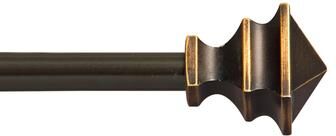
"Kenney Arts and Crafts 1/2"" Petite Cafe Decorative Window Curtain Rod""Product Description: Add style to smaller windows with this 1/2"" Arts & Crafts Petite Cafe Window Curtain Rod by Kenney. This painted metal rod has a dark brown finish with coordinating oil rubbed bronze molded finials."26,31 $*Shipping: 0,00 $Secure redirect to the provider



-
What are intermolecular forces?
Intermolecular forces are the attractive forces that exist between molecules. These forces are responsible for holding molecules together in a liquid or solid state. There are several types of intermolecular forces, including hydrogen bonding, dipole-dipole interactions, and London dispersion forces. These forces play a crucial role in determining the physical properties of substances, such as their boiling and melting points, as well as their solubility and viscosity. **
-
How are intermolecular forces classified?
Intermolecular forces are classified into three main categories: dispersion forces, dipole-dipole forces, and hydrogen bonding. Dispersion forces are the weakest type of intermolecular force and are caused by temporary fluctuations in electron distribution within molecules. Dipole-dipole forces occur between polar molecules and are stronger than dispersion forces. Hydrogen bonding is the strongest type of intermolecular force and occurs when hydrogen is bonded to highly electronegative atoms like oxygen, nitrogen, or fluorine. **
-
What are strong intermolecular interactions?
Strong intermolecular interactions are attractive forces between molecules that are stronger than typical van der Waals forces. These interactions can include hydrogen bonding, dipole-dipole interactions, and ion-dipole interactions. Strong intermolecular interactions play a crucial role in determining the physical properties of substances such as boiling point, melting point, and solubility. They are important in various biological processes, such as protein folding and DNA replication. **
-
Which intermolecular interactions are possible?
Intermolecular interactions that are possible include hydrogen bonding, dipole-dipole interactions, and London dispersion forces. Hydrogen bonding occurs when a hydrogen atom is bonded to a highly electronegative atom such as oxygen, nitrogen, or fluorine. Dipole-dipole interactions occur between molecules with permanent dipoles, while London dispersion forces are the weakest intermolecular interactions and occur between all molecules due to temporary fluctuations in electron distribution. These interactions play a crucial role in determining the physical properties of substances such as boiling and melting points. **

Which intermolecular forces are the strongest?
The strongest intermolecular forces are hydrogen bonding, which occurs when a hydrogen atom is bonded to a highly electronegative atom such as oxygen, nitrogen, or fluorine. Hydrogen bonding is stronger than dipole-dipole interactions and London dispersion forces. This is because hydrogen bonding involves a particularly strong attraction between the partially positive hydrogen atom and the partially negative atom it is bonded to, leading to a higher energy of interaction compared to other intermolecular forces. **
What are intermolecular interactions in chemistry?
Intermolecular interactions are the forces of attraction or repulsion between molecules. These interactions play a crucial role in determining the physical properties of substances, such as boiling point, melting point, and solubility. The main types of intermolecular interactions include hydrogen bonding, dipole-dipole interactions, and van der Waals forces. These interactions are weaker than chemical bonds within a molecule, but they still significantly impact the behavior and properties of substances. **
Top-Angebote
Products related to Intermolecular:
-
William Morris Arts & Crafts Willow Large Handle TrayThe Arts & Crafts William Morris Willow Large Handle Tray is a stylish addition to any home, designed to elevate your serving experience with its practical features. This large handle tray not only looks great but also makes serving drinks and snacks a breeze. Its sturdy design ensures it can handle your needs, while the easy-to-clean surface means less time tidying up and more time enjoying your gatherings. Care instructions: Wipe clean with a damp cloth. Dimensions: 6(H) x 39(dia) cm.40,50 £*Shipping: 3,50 £Secure redirect to the provider
-
William Morris Arts & Crafts Marigold Set of 3 Square CaddiesIntroducing the Arts & Crafts William Morris Marigold Set of 3 Square Caddies, ideal for adding a touch of charm to your home while keeping your space organised. This delightful set features a beautiful marigold design, making them not only functional but also a stylish addition to your decor. Perfect for storing a variety of items, these caddies help you declutter and maintain a tidy environment. Dimensions: 10.5(H) x 10.5(W) x 10.5(L)cm.22,50 £*Shipping: 3,50 £Secure redirect to the provider
-
William Morris Arts & Crafts Marigold Set of 3 Round Cake TinsDiscover the Arts & Crafts William Morris Marigold Set of 3 Round Cake Tins, perfect for your baking adventures and stylish storage solutions. These tins not only keep your cakes fresh but also add a touch of elegance to your kitchen. With a beautiful marigold design, these cake tins are ideal for both baking and showcasing your creations. Their sturdy construction ensures they can be used time and again, making them a practical choice for any baking enthusiast. Care instructions: Hand wash only.Dimensions: Small - 10.5(H) x 19.2(dia) cm, Medium - 12(H) x 22.3(dia) cm, Large - 15(H) x 25(dia) cm.40,50 £*Shipping: 3,50 £Secure redirect to the provider
-
William Morris Arts & Crafts Strawberry Thief Set of 3 Square CaddiesIntroducing the Arts & Crafts William Morris Strawberry Thief Set of 3 Square Caddies, a charming addition to your home that effortlessly combines style and functionality. These delightful caddies are perfect for storing your favourite treats or crafting supplies, helping you keep your space organised and beautiful. The stunning strawberry thief design adds a touch of elegance to any room, making these caddies not just practical but also a lovely decorative piece. Ideal for those who appreciate both art and utility, they are perfect for anyone looking to enhance their storage solutions with a stylish flair. Dimensions: 10.5(H) x 10.5(W) x 10.5(L)cm.22,50 £*Shipping: 3,50 £Secure redirect to the provider
-
What intermolecular forces exist?
Intermolecular forces are the forces of attraction and repulsion between molecules. The main types of intermolecular forces include London dispersion forces, dipole-dipole interactions, and hydrogen bonding. London dispersion forces are the weakest type of intermolecular force and occur between all molecules. Dipole-dipole interactions occur between polar molecules, where the positive end of one molecule is attracted to the negative end of another. Hydrogen bonding is a special type of dipole-dipole interaction that occurs when hydrogen is bonded to highly electronegative atoms like oxygen, nitrogen, or fluorine. **
-
What are intermolecular interactions?
Intermolecular interactions are the forces of attraction or repulsion between molecules. These interactions play a crucial role in determining the physical and chemical properties of substances. Examples of intermolecular interactions include hydrogen bonding, van der Waals forces, and dipole-dipole interactions. These forces can affect properties such as boiling and melting points, solubility, and viscosity. **
-
What are intermolecular forces?
Intermolecular forces are the attractive forces that exist between molecules. These forces are responsible for holding molecules together in a liquid or solid state. There are several types of intermolecular forces, including hydrogen bonding, dipole-dipole interactions, and London dispersion forces. These forces play a crucial role in determining the physical properties of substances, such as their boiling and melting points, as well as their solubility and viscosity. **
-
How are intermolecular forces classified?
Intermolecular forces are classified into three main categories: dispersion forces, dipole-dipole forces, and hydrogen bonding. Dispersion forces are the weakest type of intermolecular force and are caused by temporary fluctuations in electron distribution within molecules. Dipole-dipole forces occur between polar molecules and are stronger than dispersion forces. Hydrogen bonding is the strongest type of intermolecular force and occurs when hydrogen is bonded to highly electronegative atoms like oxygen, nitrogen, or fluorine. **
Similar search terms for Intermolecular
-
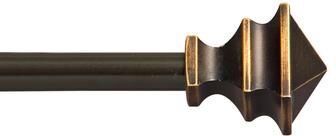
"Kenney Arts and Crafts 1/2"" Petite Cafe Decorative Window Curtain Rod""Product Description: Add style to smaller windows with this 1/2"" Arts & Crafts Petite Cafe Window Curtain Rod by Kenney. This painted metal rod has a dark brown finish with coordinating oil rubbed bronze molded finials."26,31 $*Shipping: 0,00 $Secure redirect to the provider
-
William Morris Arts & Crafts Strawberry Thief Set of 3 Round Cake TinsIntroducing the Arts & Crafts William Morris Strawberry Thief Set of 3 Round Cake Tins, a delightful addition to your kitchen that combines style with functionality. These charming cake tins are not just visually appealing; they are designed to keep your baked goods fresh and secure. The set is perfect for baking, storing, and presenting your delicious creations, making it ideal for both everyday use and special occasions. Crafted from durable materials, these tins offer a reliable solution for your baking needs. The beautiful strawberry thief design adds a touch of elegance to your kitchen decor. They are easy to clean and maintain, ensuring that you can enjoy your baking experience without any hassle. Care instructions: Hand wash only.Dimensions: Small - 10.5(H) x 19.2(dia) cm, Medium - 12(H) x 22.3(dia) cm, Large - 15(H) x 25(dia) cm.40,50 £*Shipping: 3,50 £Secure redirect to the provider
-
"Kenney Arts and Crafts 1/2"" Petite Cafe Decorative Window Curtain Rod""Product Description: Add style to smaller windows with this 1/2"" Arts & Crafts Petite Cafe Window Curtain Rod by Kenney. This painted metal rod has a dark brown finish with coordinating oil rubbed bronze molded finials."30,55 $*Shipping: 0,00 $Secure redirect to the provider
-
What are strong intermolecular interactions?
Strong intermolecular interactions are attractive forces between molecules that are stronger than typical van der Waals forces. These interactions can include hydrogen bonding, dipole-dipole interactions, and ion-dipole interactions. Strong intermolecular interactions play a crucial role in determining the physical properties of substances such as boiling point, melting point, and solubility. They are important in various biological processes, such as protein folding and DNA replication. **
-
Which intermolecular interactions are possible?
Intermolecular interactions that are possible include hydrogen bonding, dipole-dipole interactions, and London dispersion forces. Hydrogen bonding occurs when a hydrogen atom is bonded to a highly electronegative atom such as oxygen, nitrogen, or fluorine. Dipole-dipole interactions occur between molecules with permanent dipoles, while London dispersion forces are the weakest intermolecular interactions and occur between all molecules due to temporary fluctuations in electron distribution. These interactions play a crucial role in determining the physical properties of substances such as boiling and melting points. **
-
Which intermolecular forces are the strongest?
The strongest intermolecular forces are hydrogen bonding, which occurs when a hydrogen atom is bonded to a highly electronegative atom such as oxygen, nitrogen, or fluorine. Hydrogen bonding is stronger than dipole-dipole interactions and London dispersion forces. This is because hydrogen bonding involves a particularly strong attraction between the partially positive hydrogen atom and the partially negative atom it is bonded to, leading to a higher energy of interaction compared to other intermolecular forces. **
-
What are intermolecular interactions in chemistry?
Intermolecular interactions are the forces of attraction or repulsion between molecules. These interactions play a crucial role in determining the physical properties of substances, such as boiling point, melting point, and solubility. The main types of intermolecular interactions include hydrogen bonding, dipole-dipole interactions, and van der Waals forces. These interactions are weaker than chemical bonds within a molecule, but they still significantly impact the behavior and properties of substances. **
* All prices are inclusive of VAT and, if applicable, plus shipping costs. The offer information is based on the details provided by the respective shop and is updated through automated processes. Real-time updates do not occur, so deviations can occur in individual cases. ** Note: Parts of this content were created by AI.