Buy roadstoculture.eu ?
We are moving the project
roadstoculture.eu .
Are you interested in purchasing the domain
roadstoculture.eu ?
domain@kv-gmbh.de · 0541-91531010
Buy roadstoculture.eu ?
What is the difference between epistemological and ontological naturalism?
Epistemological naturalism is the belief that knowledge and understanding of the world should be based on naturalistic explanations and evidence, such as scientific inquiry and empirical observation. It focuses on how we come to know and understand the world around us. Ontological naturalism, on the other hand, is the belief that the natural world is all that exists, and that there are no supernatural or non-natural entities or forces. It focuses on the nature of reality and what exists in the world. In summary, epistemological naturalism is about how we know, while ontological naturalism is about what exists. **
What do critics say about the ontological proof of God?
Critics of the ontological proof of God argue that it relies on flawed logic and assumptions. They point out that the argument's premise, that existence is a necessary attribute of God, is not universally accepted and is based on subjective interpretations. Critics also argue that the proof does not provide empirical evidence for the existence of God and is therefore not convincing to those who do not already believe. Additionally, some critics argue that the ontological proof is a circular argument, as it assumes the existence of God in order to prove the existence of God. **


Similar search terms for Ontological
Top-Angebote
Products related to Ontological:
-
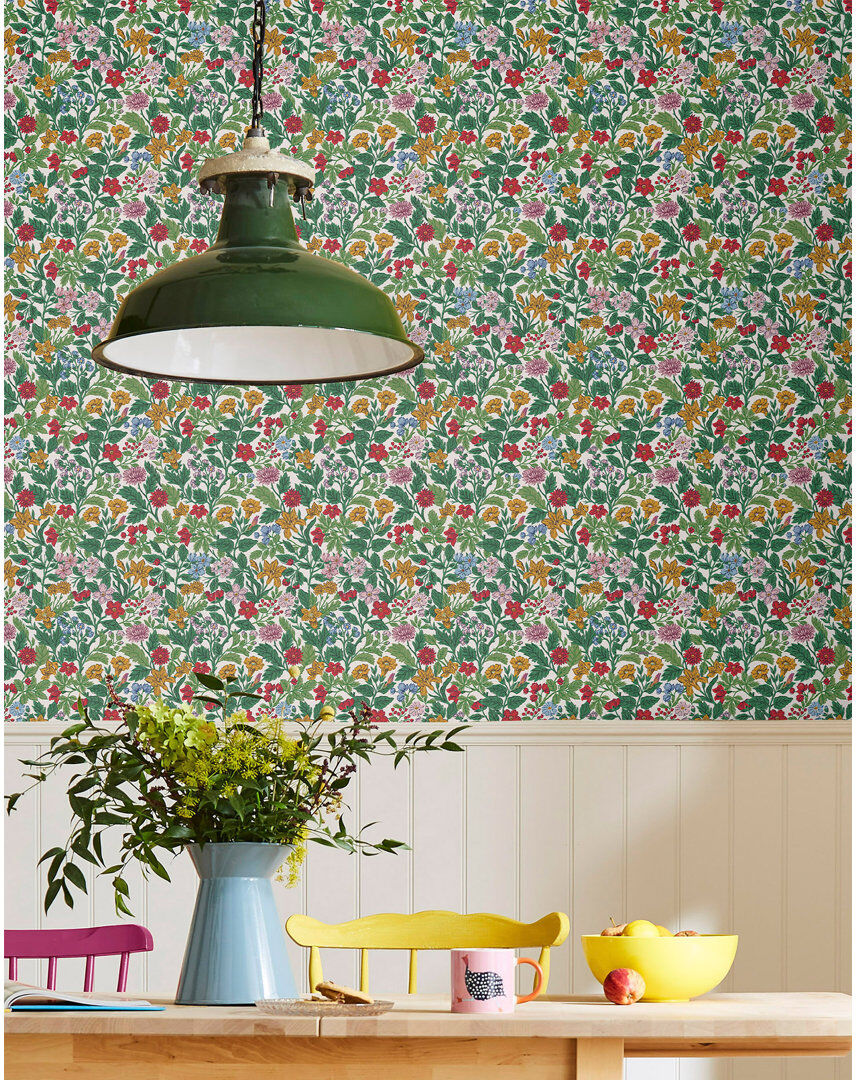
Joules Arts and Crafts Floral Rainbow Wallpaper Green 10cm LA timeless yet contemporary wallpaper, this classic, wide stripe is an iconic print pattern. Harborough stripe is brought to life in a coastal, classic blue tone which brings a fresh feel when contrasted against the off-white tone. Printed on a matt substrate for a contemporary look and feel. This wallpaper is also paste-the-wall, making it easy to hang. JOULES41,60 £*Shipping: 4,99 £Secure redirect to the provider
-
William Morris Arts & Crafts Marigold Set of 3 Square CaddiesIntroducing the Arts & Crafts William Morris Marigold Set of 3 Square Caddies, ideal for adding a touch of charm to your home while keeping your space organised. This delightful set features a beautiful marigold design, making them not only functional but also a stylish addition to your decor. Perfect for storing a variety of items, these caddies help you declutter and maintain a tidy environment. Dimensions: 10.5(H) x 10.5(W) x 10.5(L)cm.22,50 £*Shipping: 3,50 £Secure redirect to the provider
-
William Morris Arts & Crafts Marigold Set of 3 Round Cake TinsDiscover the Arts & Crafts William Morris Marigold Set of 3 Round Cake Tins, perfect for your baking adventures and stylish storage solutions. These tins not only keep your cakes fresh but also add a touch of elegance to your kitchen. With a beautiful marigold design, these cake tins are ideal for both baking and showcasing your creations. Their sturdy construction ensures they can be used time and again, making them a practical choice for any baking enthusiast. Care instructions: Hand wash only.Dimensions: Small - 10.5(H) x 19.2(dia) cm, Medium - 12(H) x 22.3(dia) cm, Large - 15(H) x 25(dia) cm.40,50 £*Shipping: 3,50 £Secure redirect to the provider
-
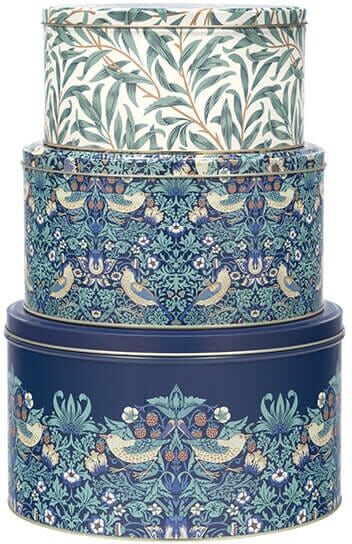
William Morris Arts & Crafts Strawberry Thief Set of 3 Square CaddiesIntroducing the Arts & Crafts William Morris Strawberry Thief Set of 3 Square Caddies, a charming addition to your home that effortlessly combines style and functionality. These delightful caddies are perfect for storing your favourite treats or crafting supplies, helping you keep your space organised and beautiful. The stunning strawberry thief design adds a touch of elegance to any room, making these caddies not just practical but also a lovely decorative piece. Ideal for those who appreciate both art and utility, they are perfect for anyone looking to enhance their storage solutions with a stylish flair. Dimensions: 10.5(H) x 10.5(W) x 10.5(L)cm.22,50 £*Shipping: 3,50 £Secure redirect to the provider


-
What is the ontological proof of God according to Canterbury?
The ontological proof of God according to Canterbury is based on the idea that God is the greatest conceivable being. This argument posits that if we can conceive of a being that is the greatest possible being, then that being must exist in reality. In other words, the very concept of God as the greatest conceivable being necessitates his existence. This argument is rooted in the idea that existence is a necessary attribute of God, and therefore, God must exist in reality. **
-
What is the ontological difference between beings and Being in Heidegger?
In Heidegger's philosophy, the ontological difference between beings and Being is central to his understanding of existence. Beings refer to the entities that exist in the world, including humans, animals, objects, and so on. Being, on the other hand, refers to the underlying ground or source of existence that makes beings possible. Being is not a being itself, but rather the condition of possibility for beings to exist. Heidegger emphasizes the need to understand Being in order to truly grasp the nature of existence and our place within the world. **
-
What is the solution to the ontological proof of God in Canterbury?
The solution to the ontological proof of God in Canterbury is found in the form of a parody by the character Anselm in the play "Canterbury Tales" by Geoffrey Chaucer. Anselm presents a comical and exaggerated version of the ontological argument, which highlights the absurdity of trying to prove the existence of God through pure logic and reason. The parody serves to critique the limitations of human understanding and the folly of attempting to grasp the divine through intellectual means. Ultimately, the solution to the ontological proof of God in Canterbury is to recognize the inherent mystery and transcendence of the divine, and to approach it with humility and faith rather than attempting to confine it within the bounds of human logic. **
-
What is your opinion on Anselm of Canterbury's ontological proof of God?
Anselm of Canterbury's ontological proof of God is an interesting and thought-provoking argument. I appreciate the logical and deductive approach he takes in trying to prove the existence of God. However, I also recognize that the ontological argument has been the subject of much debate and criticism over the centuries. While I find the concept of a perfect being existing necessarily in the mind and reality intriguing, I believe that the ontological proof is not conclusive and may not be convincing to everyone. Overall, I think Anselm's ontological proof is a valuable contribution to the philosophical discussion of the existence of God, but it is not without its limitations. **
Can someone explain to me the ontological proof of God by René Descartes?
René Descartes' ontological proof of God is based on the idea that existence is a perfection. He argues that God, as a perfect being, must necessarily exist because existence is a necessary attribute of perfection. Descartes posits that our idea of God as a supremely perfect being implies His existence, as a being that exists both in our minds and in reality is greater than one that exists only in our minds. This argument has been subject to much debate and criticism, with some questioning the validity of equating existence with perfection. **
Can someone explain the ontological proof of God by René Descartes to me?
The ontological proof of God by René Descartes is a philosophical argument that attempts to prove the existence of God through reason alone. Descartes argues that the concept of God as a perfect being includes the attribute of existence, because existence is a necessary part of perfection. In other words, if we can conceive of a perfect being, then that being must necessarily exist in reality, because existence is a part of its perfection. This argument has been widely debated and criticized, but it remains an important part of the history of philosophy and the discussion of the existence of God. **
Top-Angebote
Products related to Ontological:
-
William Morris Arts & Crafts Willow Large Handle TrayThe Arts & Crafts William Morris Willow Large Handle Tray is a stylish addition to any home, designed to elevate your serving experience with its practical features. This large handle tray not only looks great but also makes serving drinks and snacks a breeze. Its sturdy design ensures it can handle your needs, while the easy-to-clean surface means less time tidying up and more time enjoying your gatherings. Care instructions: Wipe clean with a damp cloth. Dimensions: 6(H) x 39(dia) cm.40,50 £*Shipping: 3,50 £Secure redirect to the provider
-
Squishmallows Project Book by Blueprint - Arts & Crafts Guide for FansUnleash your creativity with the Squishmallows Project Book, a guide for fans of the beloved Squishmallows franchise. This boxed edition features a variety of fun projects inspired by your favorite plush characters, perfect for collectors and crafters alike. Inside this engaging project book, you'll find step-by-step instructions for crafting adorable Squishmallows-themed items, vibrant illustrations that bring the characters to life, and tips and tricks to personalize your projects. Whether you're a seasoned fan or new to the Squishmallows world, this project book is a delightful addition to your collection, published by Blueprint.5,09 £*Shipping: 3,95 £Secure redirect to the provider
-
Joules Arts and Crafts Floral Rainbow Wallpaper Green 10cm LA timeless yet contemporary wallpaper, this classic, wide stripe is an iconic print pattern. Harborough stripe is brought to life in a coastal, classic blue tone which brings a fresh feel when contrasted against the off-white tone. Printed on a matt substrate for a contemporary look and feel. This wallpaper is also paste-the-wall, making it easy to hang. JOULES41,60 £*Shipping: 4,99 £Secure redirect to the provider
-
William Morris Arts & Crafts Marigold Set of 3 Square CaddiesIntroducing the Arts & Crafts William Morris Marigold Set of 3 Square Caddies, ideal for adding a touch of charm to your home while keeping your space organised. This delightful set features a beautiful marigold design, making them not only functional but also a stylish addition to your decor. Perfect for storing a variety of items, these caddies help you declutter and maintain a tidy environment. Dimensions: 10.5(H) x 10.5(W) x 10.5(L)cm.22,50 £*Shipping: 3,50 £Secure redirect to the provider
-
What is the difference between epistemological and ontological naturalism?
Epistemological naturalism is the belief that knowledge and understanding of the world should be based on naturalistic explanations and evidence, such as scientific inquiry and empirical observation. It focuses on how we come to know and understand the world around us. Ontological naturalism, on the other hand, is the belief that the natural world is all that exists, and that there are no supernatural or non-natural entities or forces. It focuses on the nature of reality and what exists in the world. In summary, epistemological naturalism is about how we know, while ontological naturalism is about what exists. **
-
What do critics say about the ontological proof of God?
Critics of the ontological proof of God argue that it relies on flawed logic and assumptions. They point out that the argument's premise, that existence is a necessary attribute of God, is not universally accepted and is based on subjective interpretations. Critics also argue that the proof does not provide empirical evidence for the existence of God and is therefore not convincing to those who do not already believe. Additionally, some critics argue that the ontological proof is a circular argument, as it assumes the existence of God in order to prove the existence of God. **
-
What is the ontological proof of God according to Canterbury?
The ontological proof of God according to Canterbury is based on the idea that God is the greatest conceivable being. This argument posits that if we can conceive of a being that is the greatest possible being, then that being must exist in reality. In other words, the very concept of God as the greatest conceivable being necessitates his existence. This argument is rooted in the idea that existence is a necessary attribute of God, and therefore, God must exist in reality. **
-
What is the ontological difference between beings and Being in Heidegger?
In Heidegger's philosophy, the ontological difference between beings and Being is central to his understanding of existence. Beings refer to the entities that exist in the world, including humans, animals, objects, and so on. Being, on the other hand, refers to the underlying ground or source of existence that makes beings possible. Being is not a being itself, but rather the condition of possibility for beings to exist. Heidegger emphasizes the need to understand Being in order to truly grasp the nature of existence and our place within the world. **
Similar search terms for Ontological
-
William Morris Arts & Crafts Marigold Set of 3 Round Cake TinsDiscover the Arts & Crafts William Morris Marigold Set of 3 Round Cake Tins, perfect for your baking adventures and stylish storage solutions. These tins not only keep your cakes fresh but also add a touch of elegance to your kitchen. With a beautiful marigold design, these cake tins are ideal for both baking and showcasing your creations. Their sturdy construction ensures they can be used time and again, making them a practical choice for any baking enthusiast. Care instructions: Hand wash only.Dimensions: Small - 10.5(H) x 19.2(dia) cm, Medium - 12(H) x 22.3(dia) cm, Large - 15(H) x 25(dia) cm.40,50 £*Shipping: 3,50 £Secure redirect to the provider
-
William Morris Arts & Crafts Strawberry Thief Set of 3 Square CaddiesIntroducing the Arts & Crafts William Morris Strawberry Thief Set of 3 Square Caddies, a charming addition to your home that effortlessly combines style and functionality. These delightful caddies are perfect for storing your favourite treats or crafting supplies, helping you keep your space organised and beautiful. The stunning strawberry thief design adds a touch of elegance to any room, making these caddies not just practical but also a lovely decorative piece. Ideal for those who appreciate both art and utility, they are perfect for anyone looking to enhance their storage solutions with a stylish flair. Dimensions: 10.5(H) x 10.5(W) x 10.5(L)cm.22,50 £*Shipping: 3,50 £Secure redirect to the provider
-
William Morris Arts & Crafts Strawberry Thief Set of 3 Round Cake TinsIntroducing the Arts & Crafts William Morris Strawberry Thief Set of 3 Round Cake Tins, a delightful addition to your kitchen that combines style with functionality. These charming cake tins are not just visually appealing; they are designed to keep your baked goods fresh and secure. The set is perfect for baking, storing, and presenting your delicious creations, making it ideal for both everyday use and special occasions. Crafted from durable materials, these tins offer a reliable solution for your baking needs. The beautiful strawberry thief design adds a touch of elegance to your kitchen decor. They are easy to clean and maintain, ensuring that you can enjoy your baking experience without any hassle. Care instructions: Hand wash only.Dimensions: Small - 10.5(H) x 19.2(dia) cm, Medium - 12(H) x 22.3(dia) cm, Large - 15(H) x 25(dia) cm.40,50 £*Shipping: 3,50 £Secure redirect to the provider
-
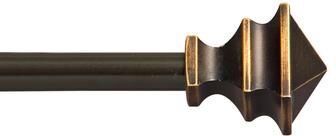
"Kenney Arts and Crafts 1/2"" Petite Cafe Decorative Window Curtain Rod""Product Description: Add style to smaller windows with this 1/2"" Arts & Crafts Petite Cafe Window Curtain Rod by Kenney. This painted metal rod has a dark brown finish with coordinating oil rubbed bronze molded finials."30,55 $*Shipping: 0,00 $Secure redirect to the provider
-
What is the solution to the ontological proof of God in Canterbury?
The solution to the ontological proof of God in Canterbury is found in the form of a parody by the character Anselm in the play "Canterbury Tales" by Geoffrey Chaucer. Anselm presents a comical and exaggerated version of the ontological argument, which highlights the absurdity of trying to prove the existence of God through pure logic and reason. The parody serves to critique the limitations of human understanding and the folly of attempting to grasp the divine through intellectual means. Ultimately, the solution to the ontological proof of God in Canterbury is to recognize the inherent mystery and transcendence of the divine, and to approach it with humility and faith rather than attempting to confine it within the bounds of human logic. **
-
What is your opinion on Anselm of Canterbury's ontological proof of God?
Anselm of Canterbury's ontological proof of God is an interesting and thought-provoking argument. I appreciate the logical and deductive approach he takes in trying to prove the existence of God. However, I also recognize that the ontological argument has been the subject of much debate and criticism over the centuries. While I find the concept of a perfect being existing necessarily in the mind and reality intriguing, I believe that the ontological proof is not conclusive and may not be convincing to everyone. Overall, I think Anselm's ontological proof is a valuable contribution to the philosophical discussion of the existence of God, but it is not without its limitations. **
-
Can someone explain to me the ontological proof of God by René Descartes?
René Descartes' ontological proof of God is based on the idea that existence is a perfection. He argues that God, as a perfect being, must necessarily exist because existence is a necessary attribute of perfection. Descartes posits that our idea of God as a supremely perfect being implies His existence, as a being that exists both in our minds and in reality is greater than one that exists only in our minds. This argument has been subject to much debate and criticism, with some questioning the validity of equating existence with perfection. **
-
Can someone explain the ontological proof of God by René Descartes to me?
The ontological proof of God by René Descartes is a philosophical argument that attempts to prove the existence of God through reason alone. Descartes argues that the concept of God as a perfect being includes the attribute of existence, because existence is a necessary part of perfection. In other words, if we can conceive of a perfect being, then that being must necessarily exist in reality, because existence is a part of its perfection. This argument has been widely debated and criticized, but it remains an important part of the history of philosophy and the discussion of the existence of God. **
* All prices are inclusive of VAT and, if applicable, plus shipping costs. The offer information is based on the details provided by the respective shop and is updated through automated processes. Real-time updates do not occur, so deviations can occur in individual cases. ** Note: Parts of this content were created by AI.