Buy roadstoculture.eu ?
We are moving the project
roadstoculture.eu .
Are you interested in purchasing the domain
roadstoculture.eu ?
domain@kv-gmbh.de · 0541-91531010
Buy roadstoculture.eu ?
Were there prayers and festivals for Roman gods?
Yes, there were prayers and festivals dedicated to Roman gods. The Romans had a rich tradition of religious rituals and ceremonies to honor their gods, with various festivals held throughout the year to celebrate and appease the deities. These festivals often included processions, sacrifices, feasting, and other forms of worship. Some of the major Roman gods, such as Jupiter, Mars, and Venus, had dedicated temples and priesthoods to oversee their worship and rituals. **
Roman-German emperors
The term "Roman-German emperors" refers to the Holy Roman Emperors, who were rulers of the Holy Roman Empire from the Middle Ages to the early 19th century. These emperors were considered the successors to the rulers of the ancient Roman Empire and were elected by a group of German princes. The Holy Roman Emperors held significant political and religious power in Central Europe, although their authority was often challenged by regional rulers and the papacy. The title of Holy Roman Emperor was officially abolished in 1806 following the dissolution of the Holy Roman Empire. **


Similar search terms for Roman
Top-Angebote
Products related to Roman:
-
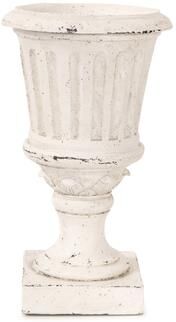
Allan Andrews Roman Classic UrnAdd classical charm to your decor with this distressed white architectural column urn. Perfect for bookshelves, consoles, or tabletop styling. The ancient ruin-inspired design brings a touch of old-world magic to any space.114,00 $*Shipping: 0,00 $Secure redirect to the provider
-
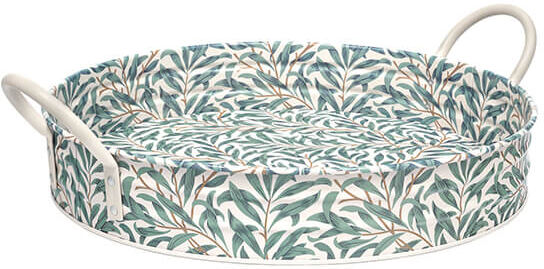
William Morris Arts & Crafts Willow Large Handle TrayThe Arts & Crafts William Morris Willow Large Handle Tray is a stylish addition to any home, designed to elevate your serving experience with its practical features. This large handle tray not only looks great but also makes serving drinks and snacks a breeze. Its sturdy design ensures it can handle your needs, while the easy-to-clean surface means less time tidying up and more time enjoying your gatherings. Care instructions: Wipe clean with a damp cloth. Dimensions: 6(H) x 39(dia) cm.40,50 £*Shipping: 3,50 £Secure redirect to the provider
-
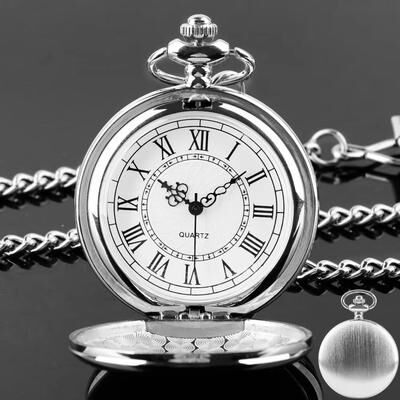
Inspired Finds Classic Silver Roman Numeral Pocket Watch Necklace Classic Silver Roman Numeral Pocket Watch NecklaceTimeless style meets modern fashion in this elegant pocket watch necklace. Designed with a polished silver finish and traditional Roman numeral dial, this piece blends vintage charm with contemporary versatility. The compact watch hangs from a sleek...34,99 $*Shipping: 0,00 $Secure redirect to the provider

-
Holy Roman Emperors
The Holy Roman Emperors were rulers of the Holy Roman Empire, a complex political entity in central Europe that existed from 800 to 1806. They were elected by a group of powerful princes and bishops known as the Electoral College. The title of Holy Roman Emperor was considered to be the highest temporal authority in Europe, although the actual power of the emperors varied greatly throughout the history of the empire. Some of the most famous Holy Roman Emperors include Charlemagne, Otto the Great, and Charles V. **
-
"Roman-German Emperors"
The term "Roman-German Emperors" refers to the Holy Roman Emperors, who were rulers of a political entity in Central Europe that existed from 962 to 1806. The title of Holy Roman Emperor was created in the 10th century by Otto I, King of Germany, and it symbolized the revival of the Roman Empire in the West. The Holy Roman Emperors were considered the successors of the ancient Roman Emperors and were elected by a group of German princes. The empire was a complex political entity that encompassed parts of modern-day Germany, Italy, and other European territories. **
-
Holy Roman Emperor
The title of Holy Roman Emperor was a title given to the ruler of the Holy Roman Empire, a political entity in Central Europe that existed from 962 to 1806. The Holy Roman Emperor was considered the secular ruler of the Christian world, with authority over a vast territory that included parts of modern-day Germany, Italy, and France. The position was elected by a group of powerful princes and bishops known as the Electoral College. The title of Holy Roman Emperor was eventually abolished in 1806 following the defeat of the Empire by Napoleon Bonaparte. **
-
'Roman-German Emperors'
The Roman-German Emperors were a series of Holy Roman Emperors who ruled over the Holy Roman Empire from the Middle Ages to the early modern period. They were considered the successors to the ancient Roman Emperors and sought to establish their authority over the territories of the former Western Roman Empire. The title of Roman-German Emperor was meant to signify their dual role as rulers of both the Roman and Germanic peoples. The most famous Roman-German Emperor was Charlemagne, who was crowned Emperor of the Romans by Pope Leo III in 800 AD. The title continued to be used by subsequent Holy Roman Emperors until the dissolution of the Holy Roman Empire in 1806. **
Roman-German Emperors
The term "Roman-German Emperors" refers to the Holy Roman Emperors, who were rulers of the Holy Roman Empire from the Middle Ages until its dissolution in 1806. The title of Holy Roman Emperor was created in the 10th century and was held by various monarchs who claimed to be the successors of the ancient Roman emperors. The Holy Roman Emperors were elected by a group of German princes and were considered the highest secular authority in the Holy Roman Empire, which was a complex political entity that encompassed parts of modern-day Germany, Italy, and other European countries. **
Was the Holy Roman Empire truly a Holy Roman Empire?
The term "Holy Roman Empire" was used to describe the multi-ethnic complex of territories in Central Europe ruled by the Roman Catholic Church and the Germanic Holy Roman Emperor. However, the empire was not truly holy in the sense of being divinely ordained, as its power was often based on political and military strength rather than religious authority. Additionally, the empire was not truly Roman, as it did not have its origins in the ancient Roman Empire but rather in the medieval Kingdom of Germany. Overall, the Holy Roman Empire was a complex political entity that combined elements of religion, politics, and culture, but it did not fully embody the ideals of holiness or Roman heritage. **
Top-Angebote
Products related to Roman:
-
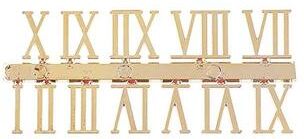
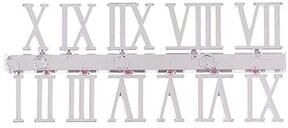
Uplift Treasures Roman Numeral Clock Repair Parts Set black Roman NumeralsProduct Description Restore or customize your clock with this Roman numeral clock repair parts set. Designed for DIY projects and clock repairs, it includes classic numeral accessories compatible with quartz clock mechanisms. Ideal for refurbishing...23,97 $*Shipping: 0,00 $Secure redirect to the provider
-
Perfect Picks Market Mini Clock Insert Quartz Clock With Roman Numerals For DIY Crafts & Clock Repairs goldBring your handmade creations and cherished timepieces back to life with this quartz clock insert. Designed for DIY enthusiasts, crafters, and hobbyists, this compact clock insert fits a 35mm mounting hole while delivering reliable quartz accuracy....29,97 $*Shipping: 0,00 $Secure redirect to the provider
-
Allan Andrews Roman Classic UrnAdd classical charm to your decor with this distressed white architectural column urn. Perfect for bookshelves, consoles, or tabletop styling. The ancient ruin-inspired design brings a touch of old-world magic to any space.114,00 $*Shipping: 0,00 $Secure redirect to the provider
-
William Morris Arts & Crafts Willow Large Handle TrayThe Arts & Crafts William Morris Willow Large Handle Tray is a stylish addition to any home, designed to elevate your serving experience with its practical features. This large handle tray not only looks great but also makes serving drinks and snacks a breeze. Its sturdy design ensures it can handle your needs, while the easy-to-clean surface means less time tidying up and more time enjoying your gatherings. Care instructions: Wipe clean with a damp cloth. Dimensions: 6(H) x 39(dia) cm.40,50 £*Shipping: 3,50 £Secure redirect to the provider
-
Were there prayers and festivals for Roman gods?
Yes, there were prayers and festivals dedicated to Roman gods. The Romans had a rich tradition of religious rituals and ceremonies to honor their gods, with various festivals held throughout the year to celebrate and appease the deities. These festivals often included processions, sacrifices, feasting, and other forms of worship. Some of the major Roman gods, such as Jupiter, Mars, and Venus, had dedicated temples and priesthoods to oversee their worship and rituals. **
-
Roman-German emperors
The term "Roman-German emperors" refers to the Holy Roman Emperors, who were rulers of the Holy Roman Empire from the Middle Ages to the early 19th century. These emperors were considered the successors to the rulers of the ancient Roman Empire and were elected by a group of German princes. The Holy Roman Emperors held significant political and religious power in Central Europe, although their authority was often challenged by regional rulers and the papacy. The title of Holy Roman Emperor was officially abolished in 1806 following the dissolution of the Holy Roman Empire. **
-
Holy Roman Emperors
The Holy Roman Emperors were rulers of the Holy Roman Empire, a complex political entity in central Europe that existed from 800 to 1806. They were elected by a group of powerful princes and bishops known as the Electoral College. The title of Holy Roman Emperor was considered to be the highest temporal authority in Europe, although the actual power of the emperors varied greatly throughout the history of the empire. Some of the most famous Holy Roman Emperors include Charlemagne, Otto the Great, and Charles V. **
-
"Roman-German Emperors"
The term "Roman-German Emperors" refers to the Holy Roman Emperors, who were rulers of a political entity in Central Europe that existed from 962 to 1806. The title of Holy Roman Emperor was created in the 10th century by Otto I, King of Germany, and it symbolized the revival of the Roman Empire in the West. The Holy Roman Emperors were considered the successors of the ancient Roman Emperors and were elected by a group of German princes. The empire was a complex political entity that encompassed parts of modern-day Germany, Italy, and other European territories. **
Similar search terms for Roman
-
Inspired Finds Classic Silver Roman Numeral Pocket Watch Necklace Classic Silver Roman Numeral Pocket Watch NecklaceTimeless style meets modern fashion in this elegant pocket watch necklace. Designed with a polished silver finish and traditional Roman numeral dial, this piece blends vintage charm with contemporary versatility. The compact watch hangs from a sleek...34,99 $*Shipping: 0,00 $Secure redirect to the provider
-
Uplift Treasures Roman Numeral Clock Repair Parts Set gold Roman NumeralsProduct Description Restore or customize your clock with this Roman numeral clock repair parts set. Designed for DIY projects and clock repairs, it includes classic numeral accessories compatible with quartz clock mechanisms. Ideal for refurbishing...23,97 $*Shipping: 0,00 $Secure redirect to the provider
-
Uplift Treasures Roman Numeral Clock Repair Parts Set silver Roman NumeralsProduct Description Restore or customize your clock with this Roman numeral clock repair parts set. Designed for DIY projects and clock repairs, it includes classic numeral accessories compatible with quartz clock mechanisms. Ideal for refurbishing...24,97 $*Shipping: 0,00 $Secure redirect to the provider
-
Holy Roman Emperor
The title of Holy Roman Emperor was a title given to the ruler of the Holy Roman Empire, a political entity in Central Europe that existed from 962 to 1806. The Holy Roman Emperor was considered the secular ruler of the Christian world, with authority over a vast territory that included parts of modern-day Germany, Italy, and France. The position was elected by a group of powerful princes and bishops known as the Electoral College. The title of Holy Roman Emperor was eventually abolished in 1806 following the defeat of the Empire by Napoleon Bonaparte. **
-
'Roman-German Emperors'
The Roman-German Emperors were a series of Holy Roman Emperors who ruled over the Holy Roman Empire from the Middle Ages to the early modern period. They were considered the successors to the ancient Roman Emperors and sought to establish their authority over the territories of the former Western Roman Empire. The title of Roman-German Emperor was meant to signify their dual role as rulers of both the Roman and Germanic peoples. The most famous Roman-German Emperor was Charlemagne, who was crowned Emperor of the Romans by Pope Leo III in 800 AD. The title continued to be used by subsequent Holy Roman Emperors until the dissolution of the Holy Roman Empire in 1806. **
-
Roman-German Emperors
The term "Roman-German Emperors" refers to the Holy Roman Emperors, who were rulers of the Holy Roman Empire from the Middle Ages until its dissolution in 1806. The title of Holy Roman Emperor was created in the 10th century and was held by various monarchs who claimed to be the successors of the ancient Roman emperors. The Holy Roman Emperors were elected by a group of German princes and were considered the highest secular authority in the Holy Roman Empire, which was a complex political entity that encompassed parts of modern-day Germany, Italy, and other European countries. **
-
Was the Holy Roman Empire truly a Holy Roman Empire?
The term "Holy Roman Empire" was used to describe the multi-ethnic complex of territories in Central Europe ruled by the Roman Catholic Church and the Germanic Holy Roman Emperor. However, the empire was not truly holy in the sense of being divinely ordained, as its power was often based on political and military strength rather than religious authority. Additionally, the empire was not truly Roman, as it did not have its origins in the ancient Roman Empire but rather in the medieval Kingdom of Germany. Overall, the Holy Roman Empire was a complex political entity that combined elements of religion, politics, and culture, but it did not fully embody the ideals of holiness or Roman heritage. **
* All prices are inclusive of VAT and, if applicable, plus shipping costs. The offer information is based on the details provided by the respective shop and is updated through automated processes. Real-time updates do not occur, so deviations can occur in individual cases. ** Note: Parts of this content were created by AI.