Buy roadstoculture.eu ?
We are moving the project
roadstoculture.eu .
Are you interested in purchasing the domain
roadstoculture.eu ?
domain@kv-gmbh.de · 0541-91531010
Buy roadstoculture.eu ?
Are traditional crafts disappearing?
Traditional crafts are indeed at risk of disappearing due to various factors such as modernization, globalization, and changing consumer preferences. Many younger generations are not pursuing these crafts as careers, leading to a decline in the number of skilled artisans. Additionally, mass production and cheaper alternatives are making it difficult for traditional crafts to compete in the market. Efforts are being made to preserve and promote these crafts through initiatives like cultural heritage programs and artisan cooperatives. **
What is the difference between me gusta and a mí me gusta?
The phrase "me gusta" simply means "I like" in Spanish. However, when you say "a mí me gusta," you are emphasizing that it is specifically you who likes something. The addition of "a mí" adds emphasis to the subject, making it clear that it is your personal preference. So, while "me gusta" is a general statement of liking something, "a mí me gusta" is a more specific way of expressing your personal preference. **

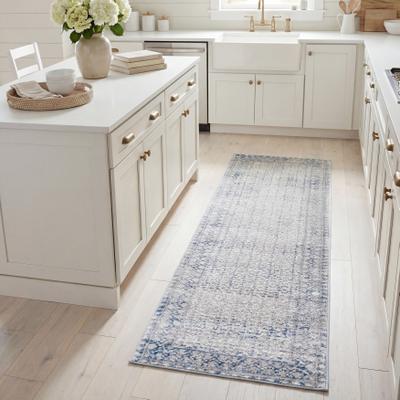
Similar search terms for SAFAVIEH-Brentwood-Gusta-Traditional
Top-Angebote
Products related to SAFAVIEH-Brentwood-Gusta-Traditional:
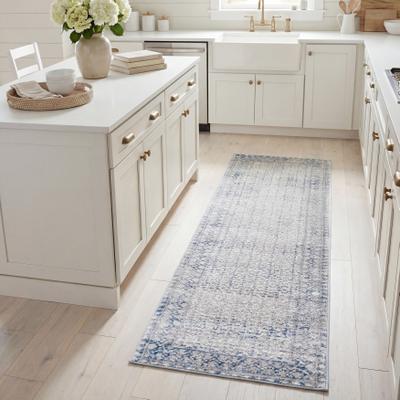


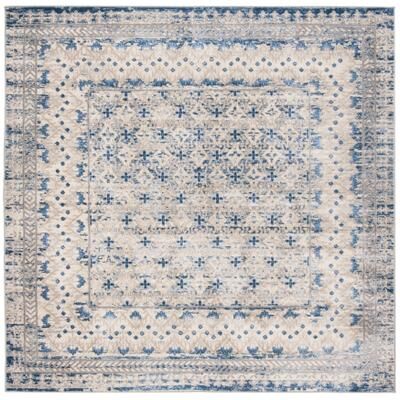
-
What is correct: A nosotros nos gusta or A nuestros nos gusta?
The correct phrase is "A nosotros nos gusta." This phrase is used to express that "we like" something. The pronoun "nosotros" is the subject, and "nos" is the reflexive pronoun that indicates that the action is being done to or for us. "A nuestros nos gusta" is not grammatically correct in Spanish. **
-
What is the difference between "me gusta" and "a mi me gusta" in Spanish?
In Spanish, "me gusta" and "a mí me gusta" both mean "I like" or "it pleases me." The difference lies in emphasis and clarification. "Me gusta" is a simple way to express liking something, while "a mí me gusta" emphasizes the speaker's personal preference by adding "a mí" (to me) before the verb. This construction is often used to clarify who specifically likes something in a conversation. **
-
What are the counterarguments against traditional festivals?
Some counterarguments against traditional festivals include the potential for cultural appropriation, as festivals may perpetuate stereotypes or misrepresent the culture they are meant to celebrate. Additionally, traditional festivals can sometimes reinforce social inequalities or exclusion, as certain groups may be marginalized or excluded from participating. There are also concerns about the environmental impact of some traditional festivals, such as excessive waste or damage to natural habitats. Finally, some argue that traditional festivals can become commercialized and lose their authenticity, as they are often used as a platform for selling products or promoting tourism. **
-
What are traditional Albanian dishes for festivals?
Traditional Albanian dishes for festivals include qofte (meatballs), baklava (sweet pastry), flija (layered pancake), and tavë kosi (baked lamb with yogurt). These dishes are often prepared for special occasions and celebrations such like weddings, religious holidays, and other festive events. They are known for their rich flavors, use of local ingredients, and the time and effort put into their preparation, making them a central part of Albanian culinary traditions. **


'Gusta or gustan in this sentence?'
In this sentence, the correct form to use is "gusta" because the subject is singular. "Gusta" is used with singular nouns, while "gustan" is used with plural nouns. **
When do you say "A mí me gusta" and when do you just say "Me gusta"?
You say "A mí me gusta" when you want to emphasize that something specifically pleases you, for example, "A mí me gusta el chocolate" (I like chocolate). On the other hand, you just say "Me gusta" when stating a general preference without emphasizing yourself, for example, "Me gusta la música" (I like music). Both phrases convey the same meaning, but "A mí me gusta" adds emphasis on the speaker's personal preference. **
Top-Angebote
Products related to SAFAVIEH-Brentwood-Gusta-Traditional:
-
Are traditional crafts disappearing?
Traditional crafts are indeed at risk of disappearing due to various factors such as modernization, globalization, and changing consumer preferences. Many younger generations are not pursuing these crafts as careers, leading to a decline in the number of skilled artisans. Additionally, mass production and cheaper alternatives are making it difficult for traditional crafts to compete in the market. Efforts are being made to preserve and promote these crafts through initiatives like cultural heritage programs and artisan cooperatives. **
-
What is the difference between me gusta and a mí me gusta?
The phrase "me gusta" simply means "I like" in Spanish. However, when you say "a mí me gusta," you are emphasizing that it is specifically you who likes something. The addition of "a mí" adds emphasis to the subject, making it clear that it is your personal preference. So, while "me gusta" is a general statement of liking something, "a mí me gusta" is a more specific way of expressing your personal preference. **
-
What is correct: A nosotros nos gusta or A nuestros nos gusta?
The correct phrase is "A nosotros nos gusta." This phrase is used to express that "we like" something. The pronoun "nosotros" is the subject, and "nos" is the reflexive pronoun that indicates that the action is being done to or for us. "A nuestros nos gusta" is not grammatically correct in Spanish. **
-
What is the difference between "me gusta" and "a mi me gusta" in Spanish?
In Spanish, "me gusta" and "a mí me gusta" both mean "I like" or "it pleases me." The difference lies in emphasis and clarification. "Me gusta" is a simple way to express liking something, while "a mí me gusta" emphasizes the speaker's personal preference by adding "a mí" (to me) before the verb. This construction is often used to clarify who specifically likes something in a conversation. **
Similar search terms for SAFAVIEH-Brentwood-Gusta-Traditional
-
What are the counterarguments against traditional festivals?
Some counterarguments against traditional festivals include the potential for cultural appropriation, as festivals may perpetuate stereotypes or misrepresent the culture they are meant to celebrate. Additionally, traditional festivals can sometimes reinforce social inequalities or exclusion, as certain groups may be marginalized or excluded from participating. There are also concerns about the environmental impact of some traditional festivals, such as excessive waste or damage to natural habitats. Finally, some argue that traditional festivals can become commercialized and lose their authenticity, as they are often used as a platform for selling products or promoting tourism. **
-
What are traditional Albanian dishes for festivals?
Traditional Albanian dishes for festivals include qofte (meatballs), baklava (sweet pastry), flija (layered pancake), and tavë kosi (baked lamb with yogurt). These dishes are often prepared for special occasions and celebrations such like weddings, religious holidays, and other festive events. They are known for their rich flavors, use of local ingredients, and the time and effort put into their preparation, making them a central part of Albanian culinary traditions. **
-
'Gusta or gustan in this sentence?'
In this sentence, the correct form to use is "gusta" because the subject is singular. "Gusta" is used with singular nouns, while "gustan" is used with plural nouns. **
-
When do you say "A mí me gusta" and when do you just say "Me gusta"?
You say "A mí me gusta" when you want to emphasize that something specifically pleases you, for example, "A mí me gusta el chocolate" (I like chocolate). On the other hand, you just say "Me gusta" when stating a general preference without emphasizing yourself, for example, "Me gusta la música" (I like music). Both phrases convey the same meaning, but "A mí me gusta" adds emphasis on the speaker's personal preference. **
* All prices are inclusive of VAT and, if applicable, plus shipping costs. The offer information is based on the details provided by the respective shop and is updated through automated processes. Real-time updates do not occur, so deviations can occur in individual cases. ** Note: Parts of this content were created by AI.