Buy roadstoculture.eu ?
We are moving the project
roadstoculture.eu .
Are you interested in purchasing the domain
roadstoculture.eu ?
domain@kv-gmbh.de · 0541-91531010
Buy roadstoculture.eu ?
How is the partitive formed?
The partitive is formed in French by using the preposition "de" followed by the definite article "le," "la," or "les." This combination contracts to form "du," "de la," or "des" before a singular or plural noun, respectively. For example, "some bread" is "du pain" and "some apples" is "des pommes." The partitive is used to indicate an unspecified quantity or portion of a mass noun. **
What is the French partitive article?
The French partitive article is used to indicate an unspecified quantity of a noun that cannot be counted. It is formed by combining the preposition "de" with the definite article corresponding to the noun's gender and number. For example, "du" is used with masculine singular nouns, "de la" with feminine singular nouns, and "des" with plural nouns. The partitive article is used in French to express concepts like some, any, or a part of something. **

Similar search terms for Partitive
Top-Angebote
Products related to Partitive:
-
William Morris Arts & Crafts Marigold Set of 3 Square CaddiesIntroducing the Arts & Crafts William Morris Marigold Set of 3 Square Caddies, ideal for adding a touch of charm to your home while keeping your space organised. This delightful set features a beautiful marigold design, making them not only functional but also a stylish addition to your decor. Perfect for storing a variety of items, these caddies help you declutter and maintain a tidy environment. Dimensions: 10.5(H) x 10.5(W) x 10.5(L)cm.22,50 £*Shipping: 3,50 £Secure redirect to the provider
-
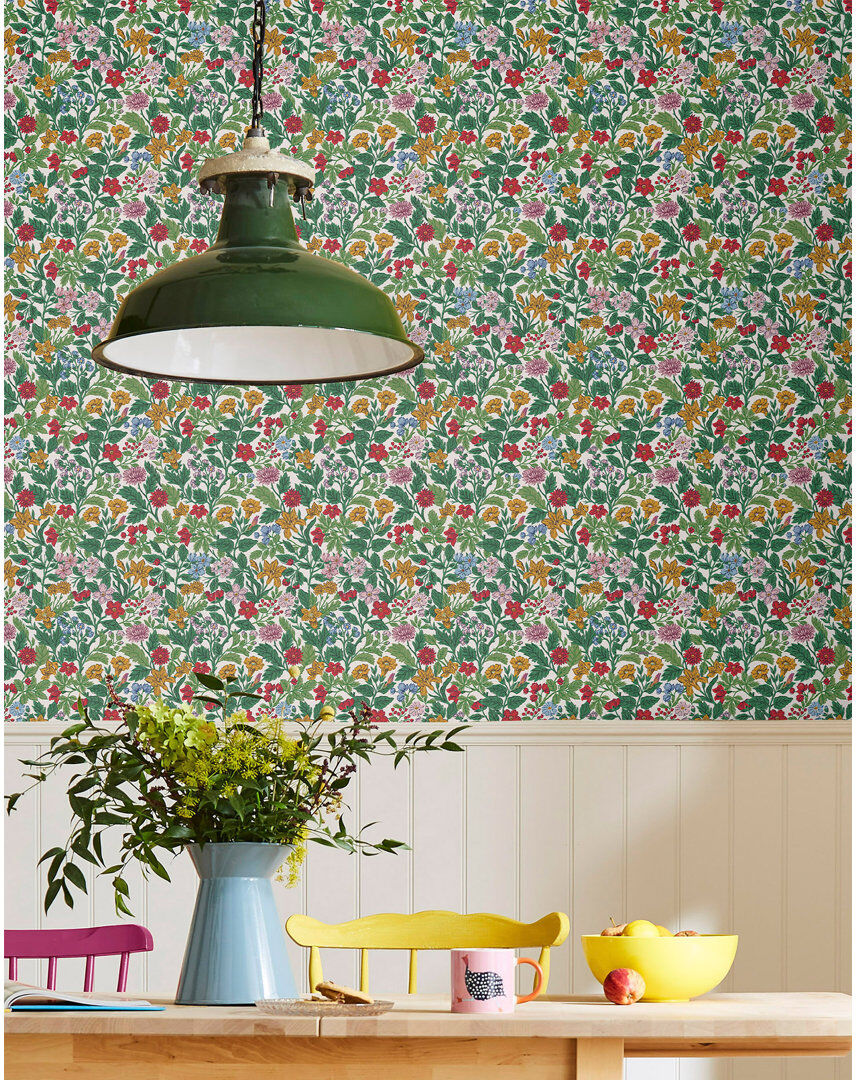
Joules Arts and Crafts Floral Rainbow Wallpaper Green 10cm LA timeless yet contemporary wallpaper, this classic, wide stripe is an iconic print pattern. Harborough stripe is brought to life in a coastal, classic blue tone which brings a fresh feel when contrasted against the off-white tone. Printed on a matt substrate for a contemporary look and feel. This wallpaper is also paste-the-wall, making it easy to hang. JOULES41,60 £*Shipping: 4,99 £Secure redirect to the provider
-
William Morris Arts & Crafts Marigold Set of 3 Round Cake TinsDiscover the Arts & Crafts William Morris Marigold Set of 3 Round Cake Tins, perfect for your baking adventures and stylish storage solutions. These tins not only keep your cakes fresh but also add a touch of elegance to your kitchen. With a beautiful marigold design, these cake tins are ideal for both baking and showcasing your creations. Their sturdy construction ensures they can be used time and again, making them a practical choice for any baking enthusiast. Care instructions: Hand wash only.Dimensions: Small - 10.5(H) x 19.2(dia) cm, Medium - 12(H) x 22.3(dia) cm, Large - 15(H) x 25(dia) cm.40,50 £*Shipping: 3,50 £Secure redirect to the provider
-
William Morris Arts & Crafts Strawberry Thief Set of 3 Square CaddiesIntroducing the Arts & Crafts William Morris Strawberry Thief Set of 3 Square Caddies, a charming addition to your home that effortlessly combines style and functionality. These delightful caddies are perfect for storing your favourite treats or crafting supplies, helping you keep your space organised and beautiful. The stunning strawberry thief design adds a touch of elegance to any room, making these caddies not just practical but also a lovely decorative piece. Ideal for those who appreciate both art and utility, they are perfect for anyone looking to enhance their storage solutions with a stylish flair. Dimensions: 10.5(H) x 10.5(W) x 10.5(L)cm.22,50 £*Shipping: 3,50 £Secure redirect to the provider



-
What is the rule for the partitive article?
The rule for the partitive article in French is to use "de" followed by the definite article (le, la, les) to indicate an unspecified quantity or some of a mass noun. For example, "du" is used for masculine singular nouns, "de la" for feminine singular nouns, and "des" for plural nouns. The partitive article is used when referring to an unknown or unspecified quantity of something. **
-
What are partitive articles in the French language?
Partitive articles in French are used to indicate an unspecified quantity of a noun. They are used when referring to a portion or some of a mass noun, such as food or liquid. The partitive articles in French are "du" (for masculine nouns), "de la" (for feminine nouns), and "de l'" (for nouns starting with a vowel or silent "h"). These articles are essential for expressing the concept of some or any in French. **
-
How do you form the genitive partitive in Latin?
In Latin, the genitive partitive is formed by using the genitive case of the noun followed by the word "partis" or "partis" (depending on the gender of the noun) to indicate a part of the whole. For example, if the noun is "puella" (girl), the genitive partitive would be "puellae partis" to indicate "part of the girl." This construction is used to express the idea of "some of" or "a part of" something. **
-
When do you use the partitive article in French?
The partitive article in French is used to indicate an unspecified quantity of a mass noun. It is used when referring to a part of a whole, or an unspecified amount of something. For example, "du" is used for masculine nouns, "de la" for feminine nouns, and "de l'" for nouns starting with a vowel or silent "h". It is important to use the partitive article when talking about food, drinks, or other uncountable nouns in French. **

What are partitive articles and quantity increases in French?
Partitive articles in French are used to indicate an unspecified quantity of a noun. They are used with uncountable nouns or when referring to a portion of something. Quantity increases in French involve using words like "plus de" (more), "beaucoup de" (a lot of), or "trop de" (too much) to indicate an increase in the quantity of something. These expressions are used to specify a larger amount of a noun compared to using just the partitive article. **
Can you please help me with the partitive article?
The partitive article is used in French to indicate an unspecified quantity of something. It is often used with uncountable nouns to express "some" or "any" in English. The partitive article changes depending on the gender and number of the noun it precedes. For example, "du" is used before masculine singular nouns, "de la" before feminine singular nouns, and "des" before plural nouns. It is important to use the correct partitive article to indicate the appropriate quantity in French. **
Top-Angebote
Products related to Partitive:
-
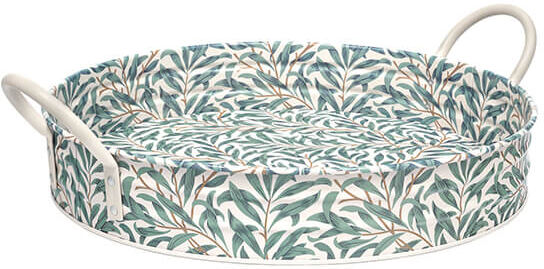
William Morris Arts & Crafts Willow Large Handle TrayThe Arts & Crafts William Morris Willow Large Handle Tray is a stylish addition to any home, designed to elevate your serving experience with its practical features. This large handle tray not only looks great but also makes serving drinks and snacks a breeze. Its sturdy design ensures it can handle your needs, while the easy-to-clean surface means less time tidying up and more time enjoying your gatherings. Care instructions: Wipe clean with a damp cloth. Dimensions: 6(H) x 39(dia) cm.40,50 £*Shipping: 3,50 £Secure redirect to the provider
-
Squishmallows Project Book by Blueprint - Arts & Crafts Guide for FansUnleash your creativity with the Squishmallows Project Book, a guide for fans of the beloved Squishmallows franchise. This boxed edition features a variety of fun projects inspired by your favorite plush characters, perfect for collectors and crafters alike. Inside this engaging project book, you'll find step-by-step instructions for crafting adorable Squishmallows-themed items, vibrant illustrations that bring the characters to life, and tips and tricks to personalize your projects. Whether you're a seasoned fan or new to the Squishmallows world, this project book is a delightful addition to your collection, published by Blueprint.5,09 £*Shipping: 3,95 £Secure redirect to the provider
-
William Morris Arts & Crafts Marigold Set of 3 Square CaddiesIntroducing the Arts & Crafts William Morris Marigold Set of 3 Square Caddies, ideal for adding a touch of charm to your home while keeping your space organised. This delightful set features a beautiful marigold design, making them not only functional but also a stylish addition to your decor. Perfect for storing a variety of items, these caddies help you declutter and maintain a tidy environment. Dimensions: 10.5(H) x 10.5(W) x 10.5(L)cm.22,50 £*Shipping: 3,50 £Secure redirect to the provider
-
Joules Arts and Crafts Floral Rainbow Wallpaper Green 10cm LA timeless yet contemporary wallpaper, this classic, wide stripe is an iconic print pattern. Harborough stripe is brought to life in a coastal, classic blue tone which brings a fresh feel when contrasted against the off-white tone. Printed on a matt substrate for a contemporary look and feel. This wallpaper is also paste-the-wall, making it easy to hang. JOULES41,60 £*Shipping: 4,99 £Secure redirect to the provider
-
How is the partitive formed?
The partitive is formed in French by using the preposition "de" followed by the definite article "le," "la," or "les." This combination contracts to form "du," "de la," or "des" before a singular or plural noun, respectively. For example, "some bread" is "du pain" and "some apples" is "des pommes." The partitive is used to indicate an unspecified quantity or portion of a mass noun. **
-
What is the French partitive article?
The French partitive article is used to indicate an unspecified quantity of a noun that cannot be counted. It is formed by combining the preposition "de" with the definite article corresponding to the noun's gender and number. For example, "du" is used with masculine singular nouns, "de la" with feminine singular nouns, and "des" with plural nouns. The partitive article is used in French to express concepts like some, any, or a part of something. **
-
What is the rule for the partitive article?
The rule for the partitive article in French is to use "de" followed by the definite article (le, la, les) to indicate an unspecified quantity or some of a mass noun. For example, "du" is used for masculine singular nouns, "de la" for feminine singular nouns, and "des" for plural nouns. The partitive article is used when referring to an unknown or unspecified quantity of something. **
-
What are partitive articles in the French language?
Partitive articles in French are used to indicate an unspecified quantity of a noun. They are used when referring to a portion or some of a mass noun, such as food or liquid. The partitive articles in French are "du" (for masculine nouns), "de la" (for feminine nouns), and "de l'" (for nouns starting with a vowel or silent "h"). These articles are essential for expressing the concept of some or any in French. **
Similar search terms for Partitive
-
William Morris Arts & Crafts Marigold Set of 3 Round Cake TinsDiscover the Arts & Crafts William Morris Marigold Set of 3 Round Cake Tins, perfect for your baking adventures and stylish storage solutions. These tins not only keep your cakes fresh but also add a touch of elegance to your kitchen. With a beautiful marigold design, these cake tins are ideal for both baking and showcasing your creations. Their sturdy construction ensures they can be used time and again, making them a practical choice for any baking enthusiast. Care instructions: Hand wash only.Dimensions: Small - 10.5(H) x 19.2(dia) cm, Medium - 12(H) x 22.3(dia) cm, Large - 15(H) x 25(dia) cm.40,50 £*Shipping: 3,50 £Secure redirect to the provider
-
William Morris Arts & Crafts Strawberry Thief Set of 3 Square CaddiesIntroducing the Arts & Crafts William Morris Strawberry Thief Set of 3 Square Caddies, a charming addition to your home that effortlessly combines style and functionality. These delightful caddies are perfect for storing your favourite treats or crafting supplies, helping you keep your space organised and beautiful. The stunning strawberry thief design adds a touch of elegance to any room, making these caddies not just practical but also a lovely decorative piece. Ideal for those who appreciate both art and utility, they are perfect for anyone looking to enhance their storage solutions with a stylish flair. Dimensions: 10.5(H) x 10.5(W) x 10.5(L)cm.22,50 £*Shipping: 3,50 £Secure redirect to the provider
-
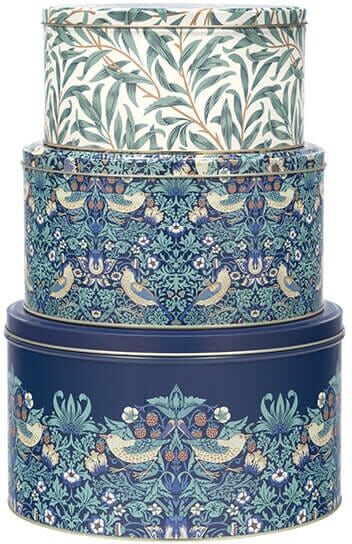
William Morris Arts & Crafts Strawberry Thief Set of 3 Round Cake TinsIntroducing the Arts & Crafts William Morris Strawberry Thief Set of 3 Round Cake Tins, a delightful addition to your kitchen that combines style with functionality. These charming cake tins are not just visually appealing; they are designed to keep your baked goods fresh and secure. The set is perfect for baking, storing, and presenting your delicious creations, making it ideal for both everyday use and special occasions. Crafted from durable materials, these tins offer a reliable solution for your baking needs. The beautiful strawberry thief design adds a touch of elegance to your kitchen decor. They are easy to clean and maintain, ensuring that you can enjoy your baking experience without any hassle. Care instructions: Hand wash only.Dimensions: Small - 10.5(H) x 19.2(dia) cm, Medium - 12(H) x 22.3(dia) cm, Large - 15(H) x 25(dia) cm.40,50 £*Shipping: 3,50 £Secure redirect to the provider
-
How do you form the genitive partitive in Latin?
In Latin, the genitive partitive is formed by using the genitive case of the noun followed by the word "partis" or "partis" (depending on the gender of the noun) to indicate a part of the whole. For example, if the noun is "puella" (girl), the genitive partitive would be "puellae partis" to indicate "part of the girl." This construction is used to express the idea of "some of" or "a part of" something. **
-
When do you use the partitive article in French?
The partitive article in French is used to indicate an unspecified quantity of a mass noun. It is used when referring to a part of a whole, or an unspecified amount of something. For example, "du" is used for masculine nouns, "de la" for feminine nouns, and "de l'" for nouns starting with a vowel or silent "h". It is important to use the partitive article when talking about food, drinks, or other uncountable nouns in French. **
-
What are partitive articles and quantity increases in French?
Partitive articles in French are used to indicate an unspecified quantity of a noun. They are used with uncountable nouns or when referring to a portion of something. Quantity increases in French involve using words like "plus de" (more), "beaucoup de" (a lot of), or "trop de" (too much) to indicate an increase in the quantity of something. These expressions are used to specify a larger amount of a noun compared to using just the partitive article. **
-
Can you please help me with the partitive article?
The partitive article is used in French to indicate an unspecified quantity of something. It is often used with uncountable nouns to express "some" or "any" in English. The partitive article changes depending on the gender and number of the noun it precedes. For example, "du" is used before masculine singular nouns, "de la" before feminine singular nouns, and "des" before plural nouns. It is important to use the correct partitive article to indicate the appropriate quantity in French. **
* All prices are inclusive of VAT and, if applicable, plus shipping costs. The offer information is based on the details provided by the respective shop and is updated through automated processes. Real-time updates do not occur, so deviations can occur in individual cases. ** Note: Parts of this content were created by AI.